In high-temperature glass production, the durability of refractory materials directly impacts furnace efficiency, product quality, and operational costs. Among the most critical components—especially in the upper structure, working pool sidewalls, and feeding channels—the use of electrically fused AZS33 blocks has become a gold standard for resisting aggressive molten glass erosion.
AZS33 is engineered with a precise Al₂O₃–ZrO₂–SiO₂ composition, where zircon sand (zirconium silicate) serves as the backbone. Typically containing around 65% ZrO₂ and 34% SiO₂, this raw material undergoes controlled melting at over 1,800°C to form a dense microstructure that resists chemical attack from soda-lime and borosilicate glasses.
Unlike conventional fireclay or basic bricks, which can degrade within 6–12 months under continuous exposure to molten glass at 1,550°C, AZS33 maintains structural integrity for up to 24–36 months in real-world installations. This longevity translates into fewer shutdowns, reduced maintenance labor, and consistent melt quality.
| Material Type | Average Lifespan (Months) | Erosion Rate (mm/year) |
|---|---|---|
| Standard Fireclay Brick | 6–12 | ≥ 12 |
| Basic Refractories | 12–18 | 8–10 |
| AZS33 Electrically Fused Block | 24–36 | ≤ 4 |
A case study from a European flat glass manufacturer shows that switching from standard AZS27 to AZS33 resulted in a 17% reduction in unplanned downtime over 18 months. The improved resistance to glass penetration allowed them to maintain stable temperature profiles across the entire melting zone—critical for reducing defects like bubbles, streaks, and surface imperfections.
Moreover, because AZS33 forms a protective layer during operation rather than degrading rapidly, it minimizes contamination risks such as iron oxide or sodium leaching into the melt—a key concern for high-purity specialty glass applications.
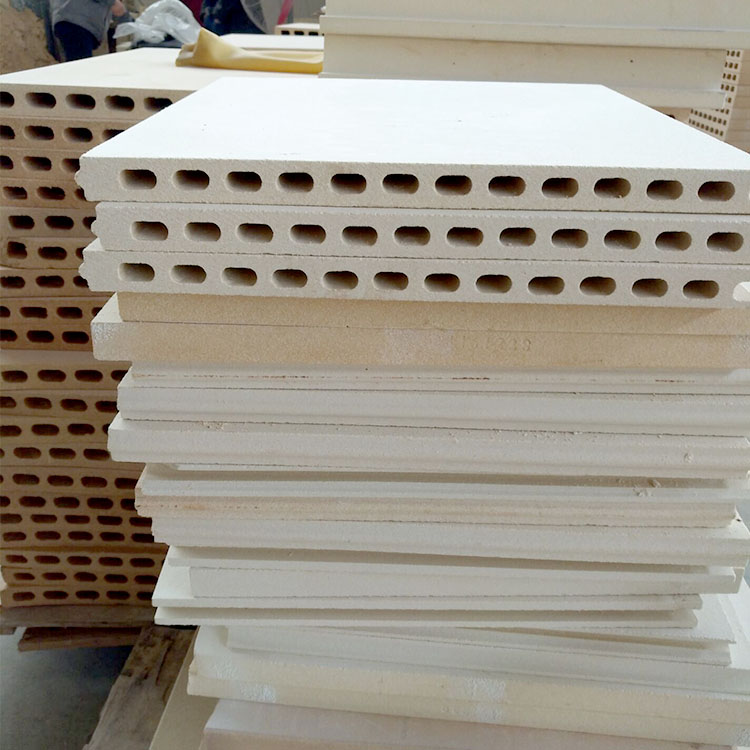
For glass producers who prioritize reliability, consistency, and long-term ROI, AZS33 isn’t just an option—it’s a strategic choice. With proven performance in diverse environments—from float glass lines to container and specialty glass plants—it offers peace of mind when investing in your furnace infrastructure.
Whether you're designing new kilns or optimizing existing ones, choosing materials backed by science, data, and field-tested results ensures your production stays ahead of the curve.
Explore how our AZS33 Electrically Fused Blocks can transform your glass melting operations—without compromise.
Get Technical Data & Product Samples