In the world of high - end glass production, the choice of refractory materials is a critical decision that can impact the efficiency, quality, and cost - effectiveness of the entire manufacturing process. This article explores why the fused - cast α - β alumina brick TY - M has become the preferred choice for many glass - making decision - makers.
Glass manufacturing involves high - temperature processes, often exceeding 1000°C. In these extreme conditions, the furnace lining materials are constantly exposed to thermal stress, chemical corrosion, and mechanical wear. Traditional refractory bricks often struggle to withstand these harsh environments, leading to frequent replacements, increased production downtime, and high costs. Moreover, the release of contaminants from these bricks into the glass melt can cause defects such as bubbles, reducing the quality of the final glass products.
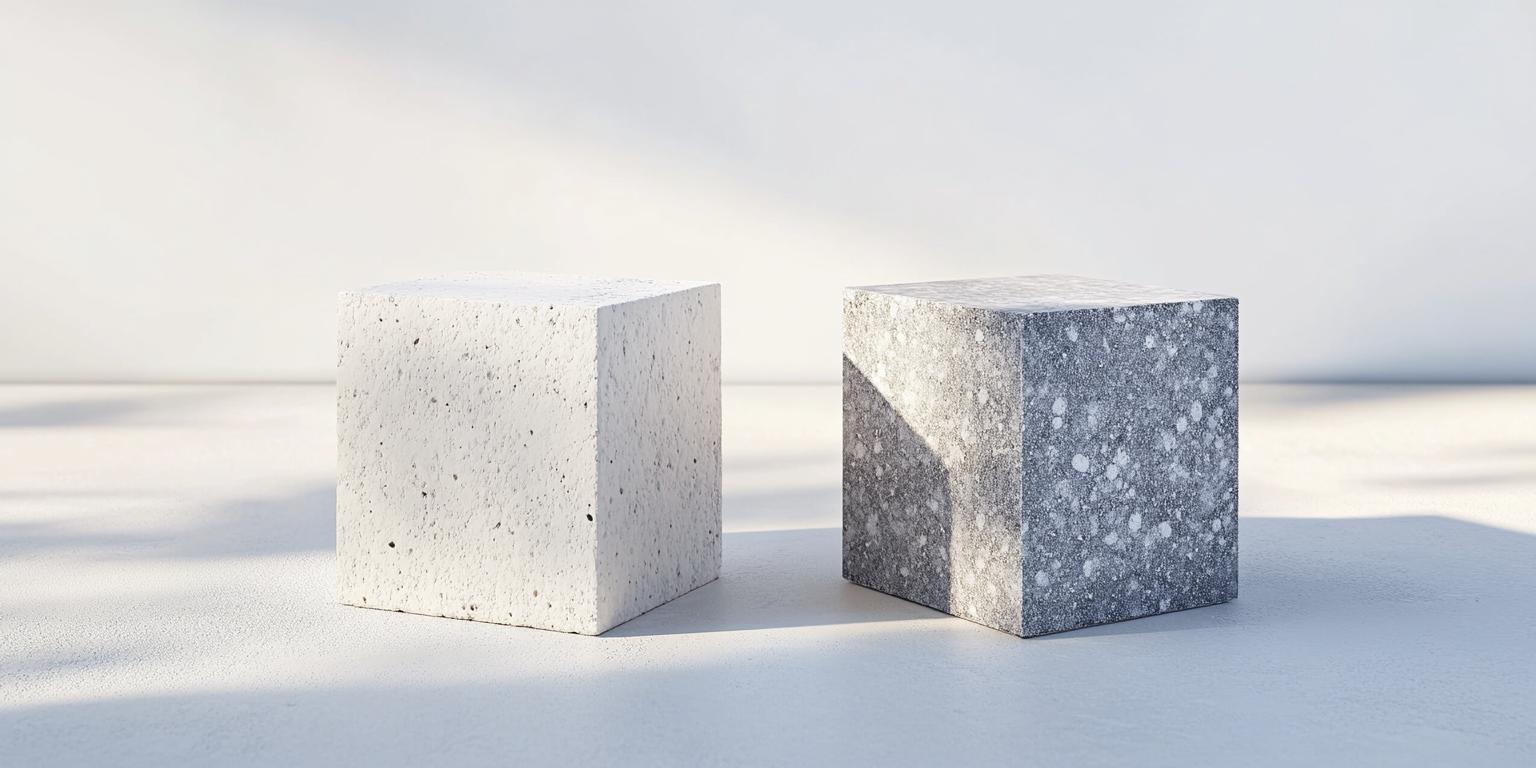
The TY - M fused - cast α - β alumina brick stands out due to its unique composition and manufacturing process. It is made from high - purity alumina (Al₂O₃>94%), which forms the basis of its excellent performance. The bricks are produced through a 2000°C melting - casting process. This high - temperature melting and casting ensure a dense crystal structure, which is crucial for its high - temperature stability and corrosion resistance.
One of the most remarkable features of the TY - M brick is its strong alkali resistance below 1350°C. In a glass - making environment, alkali attack is a common form of corrosion. The dense structure and high - purity alumina content of TY - M enable it to resist the corrosion of alkaline substances in the glass melt effectively. Additionally, it has an almost zero - pollution characteristic. Tests have shown that the TY - M brick hardly contaminates the glass melt, which is a significant advantage in producing high - quality glass.
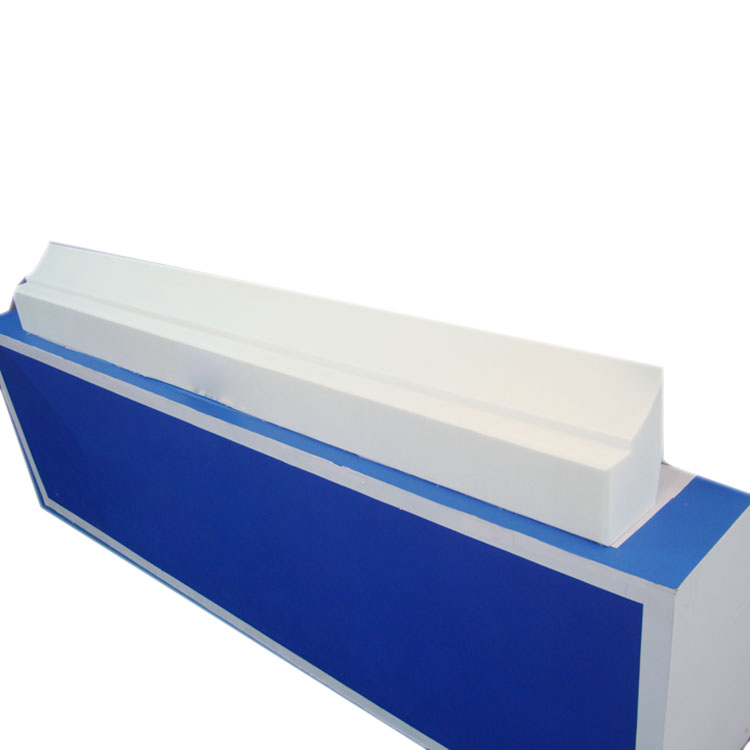
When compared with traditional brick materials, the TY - M brick offers significant differences in terms of cost, efficiency, and product quality. Traditional bricks may need to be replaced every 6 - 8 months due to corrosion and wear, resulting in frequent production interruptions. In contrast, the TY - M brick, with its excellent corrosion resistance, can last up to 2 - 3 years without major replacement, significantly reducing production downtime and related costs.
In terms of efficiency, the use of TY - M bricks can increase the stability of the glass production line. With fewer production interruptions, the overall production efficiency can be improved by up to 15 - 20%. As for product quality, the low - pollution feature of TY - M ensures that the glass products have fewer defects, such as bubbles, which can enhance the market competitiveness of the final products.
Many glass - making enterprises have witnessed the benefits of using TY - M bricks. For example, a large - scale glass manufacturer in Europe was facing challenges with high production costs and mediocre product quality due to the use of traditional refractory bricks. After switching to TY - M bricks, they reported a 30% reduction in maintenance costs and a 25% improvement in the quality of their glass products. Another Asian glass company found that the use of TY - M bricks helped them increase their production capacity by 20% while reducing energy consumption by 10%.
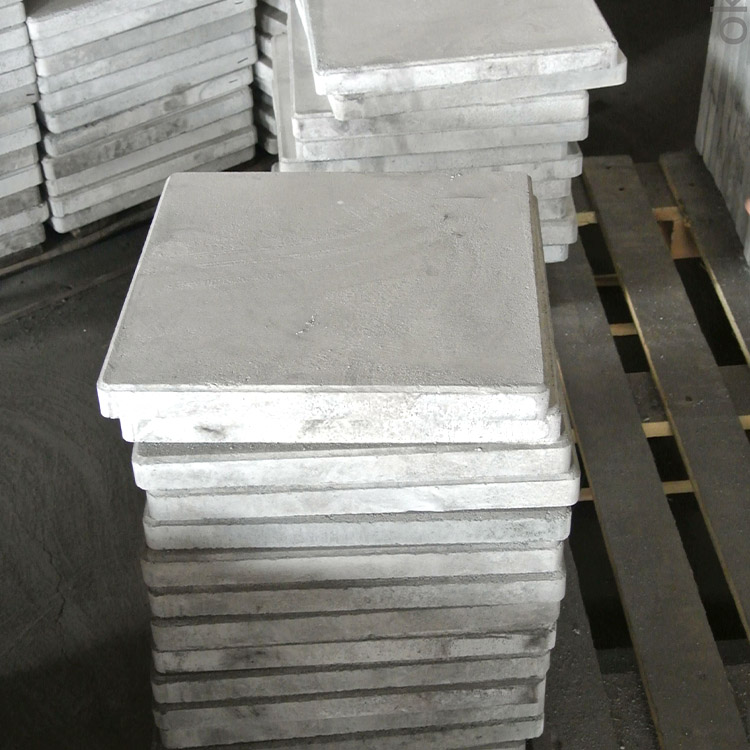
The TY - M fused - cast α - β alumina brick not only brings immediate improvements in production efficiency, cost reduction, and product quality but also has long - term strategic significance for glass - making enterprises. In an increasingly competitive market, choosing high - performance refractory materials like TY - M can help enterprises enhance their competitiveness, build a good brand image, and achieve sustainable development.
Let your glass quality be more stable and your costs lower. Choose TY - M, and you are choosing an efficient and sustainable production future. Don't miss out on this opportunity to transform your glass production process. Click here to learn more about the TY - M fused - cast α - β alumina brick!
.jpg?x-oss-process=image/resize,h_600,m_lfit/format,webp)
 407
|
407
|
 Zircon Brick
Refractory Performance
Glass Industry
Zircon Brick
Refractory Performance
Glass Industry
.jpg?x-oss-process=image/resize,h_600,m_lfit/format,webp) 363
|
Fused quartz brick
High temperature materials
Refractory Bricks
363
|
Fused quartz brick
High temperature materials
Refractory Bricks
 290
|
Fused AZS TY - AZS33
glass melting furnace
durability
AZS casting blocks
electric melting blocks
applications
product advantages
silica bricks
290
|
Fused AZS TY - AZS33
glass melting furnace
durability
AZS casting blocks
electric melting blocks
applications
product advantages
silica bricks
 221
|
melting silica bricks
environmental benefits
market demand
sustainable materials
221
|
melting silica bricks
environmental benefits
market demand
sustainable materials
 72
|
Zircon Brick
Zircon Brick thermal shock resistance
Zircon Brick mechanical strength
Zircon Brick chemical stability
Zircon Brick high-temperature resistance
Zircon Brick density
Zircon Brick wear resistance
72
|
Zircon Brick
Zircon Brick thermal shock resistance
Zircon Brick mechanical strength
Zircon Brick chemical stability
Zircon Brick high-temperature resistance
Zircon Brick density
Zircon Brick wear resistance

.jpg?x-oss-process=image/resize,m_fill,h_200,w_200/format,webp)