High-temperature corrosion in glass furnaces is a significant challenge that restricts the efficiency and quality of glass production. The TY-M cast α-β alumina bricks are designed to tackle this problem head - on. These bricks are made from high - purity alumina, melted and cast in an electric furnace at 2000°C to form a dense α-β corundum crystal structure.
In laboratory tests, the TY-M bricks demonstrated remarkable corrosion resistance at temperatures below 1350°C. For instance, when exposed to a corrosive glass melt environment at 1300°C for 100 hours, the weight loss of the TY-M bricks was only 0.5%, while traditional refractory materials showed a weight loss of up to 5%. This significant difference indicates the superior corrosion resistance of the TY-M bricks.
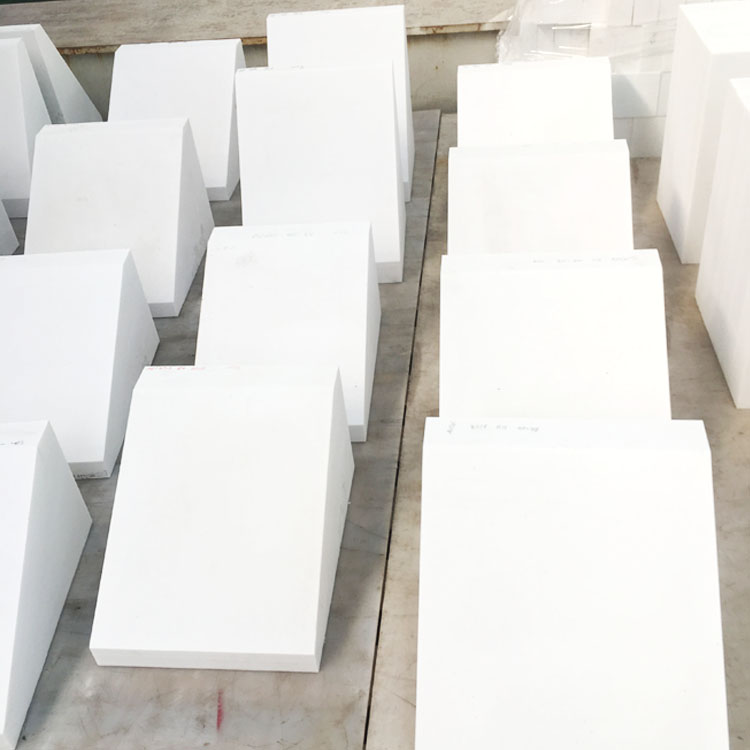
The advanced manufacturing process of the TY-M bricks is the key to their excellent performance. The high - purity alumina raw material ensures that the bricks have a clean and pure composition. This purity is crucial as it effectively prevents the contamination of the glass melt and the formation of bubbles. In a glass production line, the use of TY-M bricks led to a 30% reduction in the number of defective products caused by glass melt contamination and bubble formation.
Moreover, the dense α-β corundum crystal structure formed during the 2000°C casting process provides the bricks with high mechanical strength and thermal stability. This allows the bricks to maintain their integrity and performance under high - temperature and high - pressure conditions in the glass furnace.
When compared with traditional refractory materials, the TY-M bricks offer several distinct advantages. Traditional materials often require frequent replacement due to their poor corrosion resistance. On average, traditional refractory materials need to be replaced every 6 months in a glass furnace, while the TY-M bricks can last for up to 2 years. This not only reduces the equipment replacement cost but also minimizes production interruptions.
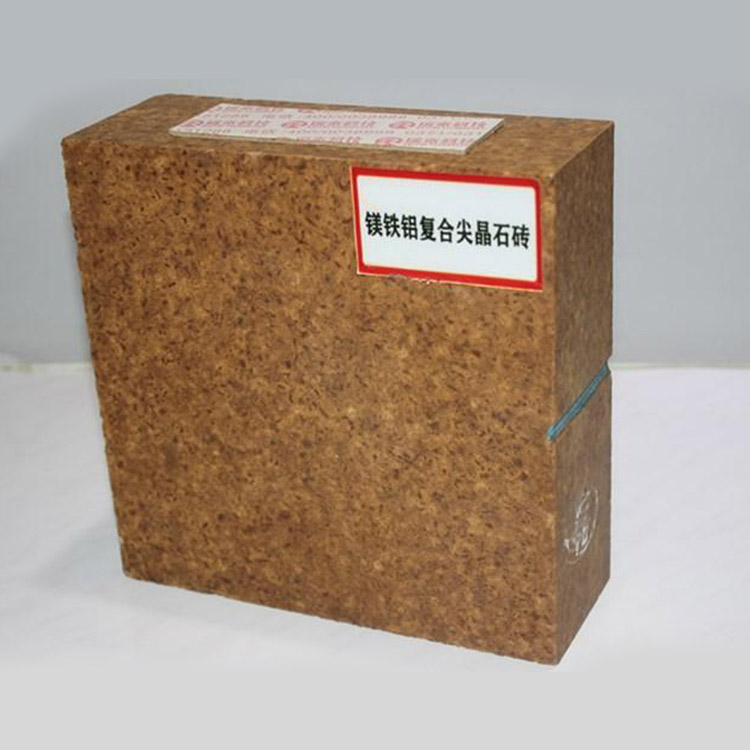
The following table shows a detailed comparison between the TY-M bricks and traditional refractory materials:
| Parameters | TY-M Bricks | Traditional Refractory Materials |
|---|---|---|
| Corrosion Resistance (Weight Loss at 1300°C for 100h) | 0.5% | 5% |
| Service Life | Up to 2 years | 6 months |
| Defective Product Rate Caused by Contamination | Reduced by 30% | Higher |
Many glass manufacturers have already benefited from using the TY-M bricks. A medium - sized glass factory in Europe replaced its traditional refractory materials with TY-M bricks. After the replacement, they saw a 25% increase in production efficiency due to fewer production interruptions for equipment replacement. They also reported a significant improvement in the quality of their glass products, which led to an increase in customer satisfaction and market competitiveness.
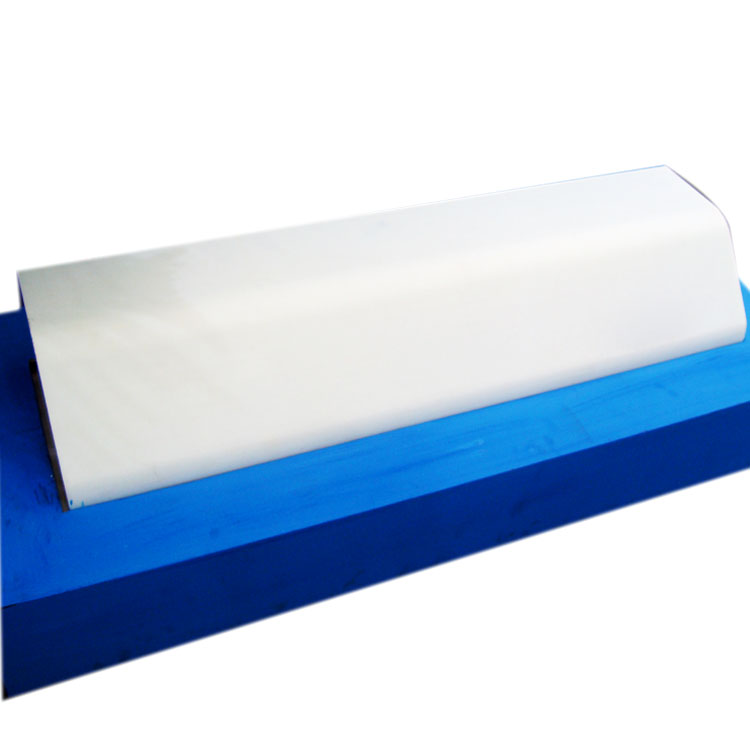
In conclusion, the TY-M cast α-β alumina bricks are a game - changer in the glass industry. Their excellent corrosion resistance, advanced manufacturing process, and proven benefits in real - world applications make them the preferred choice for high - temperature corrosion protection in glass furnaces. If you are looking for a reliable solution to improve your glass production efficiency and quality, explore the potential of TY-M cast α-β alumina bricks today.
.jpg?x-oss-process=image/resize,h_600,m_lfit/format,webp)
 474
|
474
|
 Cross checkered brick
High temperature use
Refractory Market
Architectural ceramics
Cross checkered brick
High temperature use
Refractory Market
Architectural ceramics
 173
|
glass production
sustainability in glass
glass manufacturing technology
eco-friendly glass solutions
173
|
glass production
sustainability in glass
glass manufacturing technology
eco-friendly glass solutions
.jpg?x-oss-process=image/resize,h_600,m_lfit/format,webp) 482
|
High temperature environment
High density zirconium brick
Material stability
Zirconium brick performance
High temperature resistant materials
482
|
High temperature environment
High density zirconium brick
Material stability
Zirconium brick performance
High temperature resistant materials
 235
|
Market Analysis
Glass Industry
High-Temperature Materials
235
|
Market Analysis
Glass Industry
High-Temperature Materials
 119
|
Silicate Stone Bricks
High-Temperature Applications
Durable Construction Materials
119
|
Silicate Stone Bricks
High-Temperature Applications
Durable Construction Materials
.jpg?x-oss-process=image/resize,m_fill,h_200,w_200/format,webp)


.jpg?x-oss-process=image/resize,m_fill,h_200,w_200/format,webp)
.jpg?x-oss-process=image/resize,m_fill,h_200,w_200/format,webp)


.jpg?x-oss-process=image/resize,m_fill,h_200,w_200/format,webp)