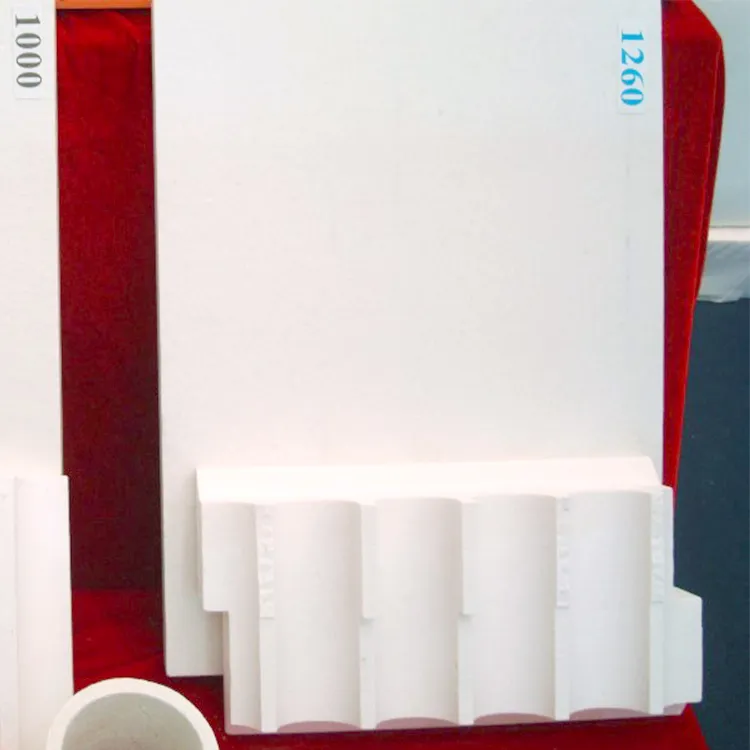
In the realm of high-temperature heat treatment, the choice of kiln furniture can significantly impact the efficiency, cost, and longevity of your equipment. This article delves into the application advantages of low-density cordierite kiln furniture and offers procurement advice for heat treatment engineers and purchasing managers.
Low-density cordierite kiln furniture stands out with its unique porous and low-density structure. This structure not only reduces the weight of the kiln furniture but also endows it with excellent thermal stability and creep resistance. With a low creep rate of less than 0.5% after 100 hours at 1200°C, it can maintain its shape and performance under high temperatures for a long time, significantly extending the service life of high-temperature heat treatment equipment.
In addition, its high thermal shock resistance is remarkable. It can withstand rapid temperature changes of up to 800°C without cracking, which is crucial for processes involving rapid heating and cooling. This means fewer replacements and reduced maintenance costs, allowing you to make every penny count.
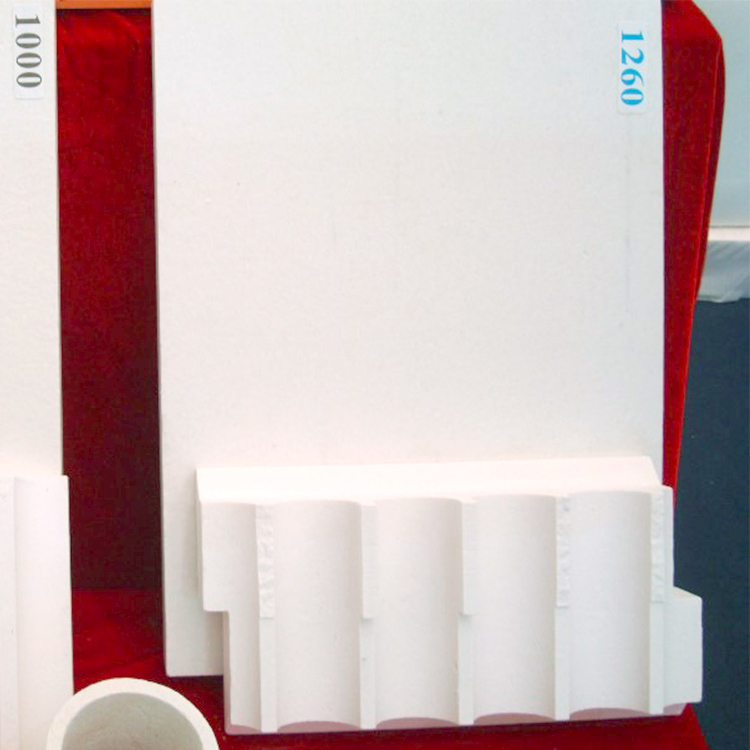
Let's take a look at some typical customer scenarios. In a heat treatment plant that specializes in rapid heating and cooling processes, traditional kiln furniture often fails to withstand the frequent thermal shocks, resulting in cracks and breakages. After switching to low-density cordierite kiln furniture, the kiln furniture's service life increased by more than 3 times, and the maintenance time was reduced by 50%. This not only improved production efficiency but also enhanced the quality of the heat-treated products.
A customer, a heat treatment engineer from a well - known manufacturing company, said, "Since we started using low - density cordierite kiln furniture, we've noticed a significant reduction in downtime. Reducing downtime directly translates to increased output value."
The excellent performance of low - density cordierite kiln furniture lies in its unique porous structure. The pores act as buffers, absorbing the stress caused by thermal expansion and contraction. Moreover, the cordierite crystal structure has a low coefficient of thermal expansion, which further enhances its thermal stability and resistance to thermal shock.
When compared with common refractory materials such as corundum and mullite, low - density cordierite kiln furniture has distinct advantages. Corundum has high hardness but relatively poor thermal shock resistance, and mullite has a higher creep rate at high temperatures. In contrast, low - density cordierite combines the advantages of low cost, long service life, and high performance, making it a more cost - effective choice.
| Material | Thermal Shock Resistance | Creep Rate at 1200°C | Cost - effectiveness |
|---|---|---|---|
| Low - density Cordierite | High (withstands 800°C temperature change) | < 0.5% after 100 hours | High |
| Corundum | Low | Relatively low | Low |
| Mullite | Medium | High | Medium |
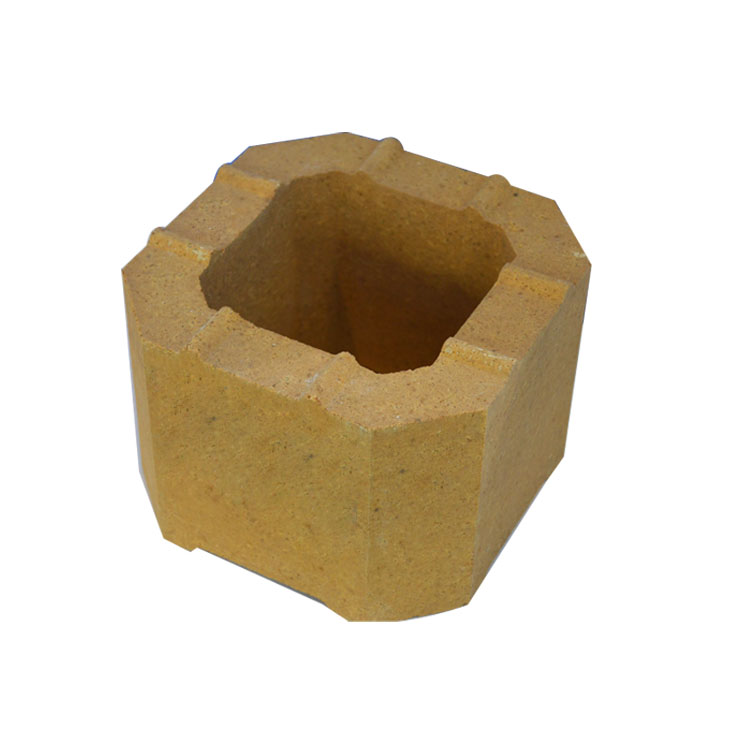
Are your kiln furniture frequently damaged due to thermal shock? If so, it's time to consider upgrading to low - density cordierite kiln furniture. By evaluating your own process requirements, you can make a more informed decision. Whether you are looking to improve production efficiency, reduce maintenance costs, or enhance process flexibility, low - density cordierite kiln furniture can be a game - changer for your business. Explore the upgrade solution now and take your heat treatment processes to the next level!