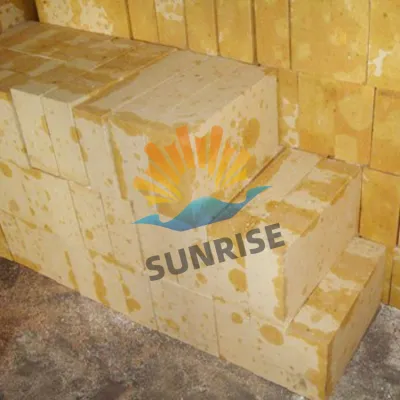
In the current glass industry, high energy consumption and frequent kiln maintenance are significant challenges that glass manufacturers face. These issues not only increase production costs but also affect the stability and efficiency of production. In response to these challenges, low - density high - quality silica bricks have emerged as an effective solution.
High - quality silica bricks used in glass kilns are mainly composed of a high content of SiO₂. The SiO₂ content can reach up to 95% or even higher. This high - purity SiO₂ is the key to the excellent high - temperature resistance and volume stability of silica bricks. The unique crystal structure of silica bricks ensures that they can maintain stable volume and performance even under extreme high - temperature conditions.
The low - density characteristic of these silica bricks is another highlight. Compared with traditional refractory materials, low - density silica bricks are lighter in weight. For example, the density of traditional refractory materials may be around 2.5 - 3.0 g/cm³, while the density of low - density silica bricks can be controlled at about 1.8 - 2.2 g/cm³. This light - weight advantage brings many benefits.
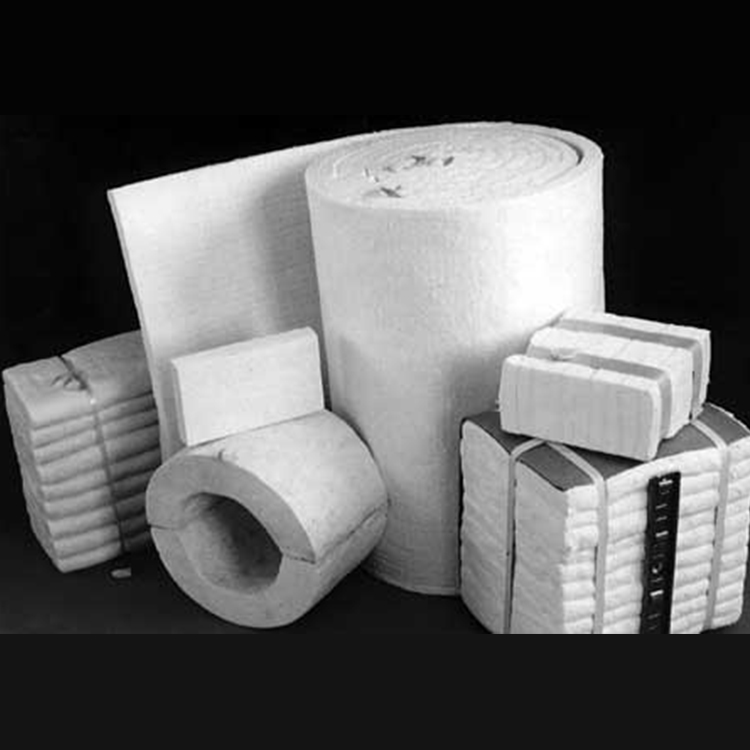
One of the most significant advantages of low - density silica bricks is their ability to save energy. In glass production, the energy consumption of glass kilns accounts for a large proportion of the total production cost. Traditional refractory materials have relatively high thermal conductivity, which means more heat is lost during the operation of the kiln. In contrast, low - density silica bricks have lower thermal conductivity. According to actual operation data, in a glass kiln with a daily output of 500 tons, using low - density silica bricks can reduce energy consumption by about 10% - 15% compared with traditional refractory materials.
This energy - saving effect is mainly due to the following reasons: First, the low - density structure of silica bricks reduces the heat capacity of the kiln lining, so less energy is required to heat the kiln lining to the operating temperature. Second, the excellent thermal insulation performance of silica bricks reduces heat loss to the outside of the kiln, improving the heat utilization rate of the kiln.
In addition to energy - saving, low - density silica bricks can also improve the operation efficiency of glass kilns. Their high volume stability ensures that the kiln can maintain a stable internal space during long - term operation, reducing the occurrence of kiln deformation and cracking. This reduces the frequency of kiln shutdowns for maintenance. For example, a glass factory in Germany used low - density silica bricks in its glass kiln. Before using silica bricks, the kiln needed to be shut down for maintenance every 2 - 3 years, and the maintenance time was about 2 - 3 months. After using low - density silica bricks, the maintenance cycle was extended to 4 - 5 years, and the maintenance time was shortened to about 1 - 2 months.
The chemical stability of silica bricks also plays an important role. They can resist the corrosion of various chemical substances in the glass melting process, such as alkalis and acids. This reduces the damage to the kiln lining and further improves the service life of the kiln.
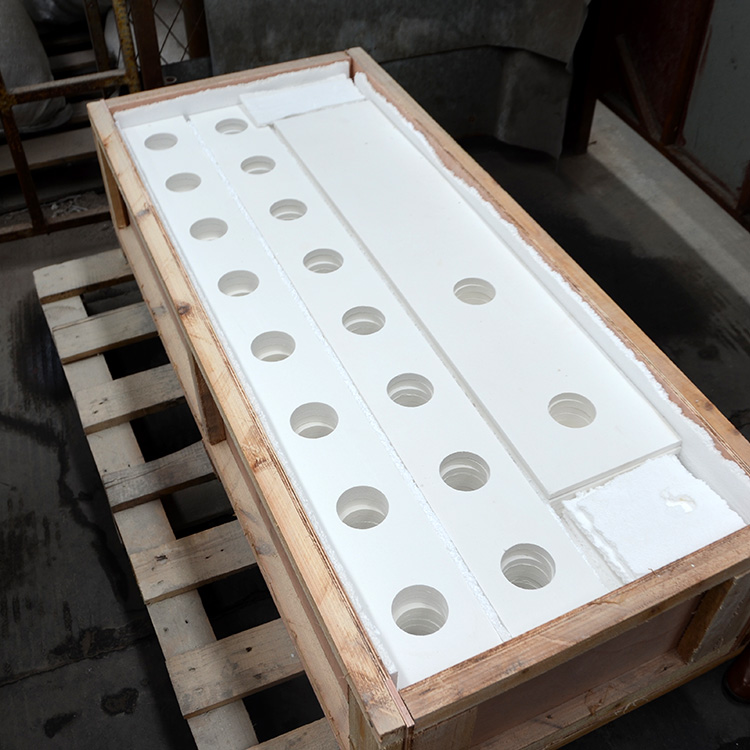
Let's take a well - known glass production enterprise in the United States as an example. This enterprise was facing high energy costs and frequent kiln maintenance problems. After replacing traditional refractory materials with low - density silica bricks in its glass kilns, remarkable results were achieved. In the first year of use, the energy cost was reduced by about 12%, and the production efficiency was increased by about 8% due to fewer kiln shutdowns for maintenance. The quality of the glass products also improved, with fewer defects and higher transparency.
Another glass factory in China also had a similar experience. After using low - density silica bricks, the kiln failure rate was reduced by about 15%, and the maintenance cost was reduced by about 20%. These data clearly show the advantages of low - density silica bricks in improving production efficiency and reducing costs.
If you are a decision - maker in the glass industry, facing the challenges of high energy consumption and kiln maintenance, low - density high - quality silica bricks are your ideal choice. They can not only help you significantly reduce energy costs but also improve the operation efficiency of glass kilns, enhance product quality, and reduce maintenance costs. By adopting this advanced refractory material, your enterprise can achieve sustainable and efficient development.
Don't miss this opportunity to transform your glass production. Click here to learn more about high - quality silica bricks for glass kilns.