In industrial high-temperature heat treatment, the stability of kiln furniture directly influences production efficiency and cost-effectiveness. Excessive creep deformation in kiln components can lead to equipment distortion, forced shutdowns, and soaring operational costs. This article delves into how low-density cordierite kiln furniture, characterized by its unique porous microstructure and exceptionally low creep rate, offers a reliable solution to these challenges within the critical temperature range of 1000°C to 1300°C.
The term creep describes the gradual deformation of materials subjected to sustained stress at elevated temperatures. For kiln furniture, which supports and shapes loads during firing, creep manifests as warping or sagging over time, jeopardizing dimensional accuracy and process continuity.
Industrial data indicates that traditional kiln furniture materials like alumina and mullite can exhibit creep rates exceeding 0.02% per hour at 1200°C, leading to measurable geometric distortion after continuous operation. Such deformation often necessitates unplanned maintenance, compromising production throughput and inflating costs.
Low-density cordierite stands apart due to its multi-porous structure, which balances lightweight characteristics with enhanced thermal shock resistance. This microstructure facilitates thermal expansion accommodation and reduces internal stress accumulation.
| Property | Low-Density Cordierite | Alumina | Mullite |
|---|---|---|---|
| Creep Rate at 1200°C (% per hour) | 0.005 - 0.008 | 0.015 - 0.025 | 0.012 - 0.020 |
| Thermal Shock Resistance (Cycles) | ≥ 30 | 15 - 20 | 18 - 22 |
| Bulk Density (g/cm³) | 1.7 - 1.8 | 3.5 - 3.9 | 3.1 - 3.3 |
Case studies from sintering and firing operations have shown that adopting low-density cordierite kiln furniture reduces unplanned downtime by up to 40%. This gain is primarily attributed to the minimal deformation under high temperature and rapid thermal cycling conditions.
Moreover, the enhanced thermal shock resistance supports aggressive, fast-heating and rapid-cooling protocols, raising throughput without compromising component longevity. Facility managers have reported a 25% improvement in good product yield and an extension of kiln furniture service life by over 30% when switching from alumina-based supports.
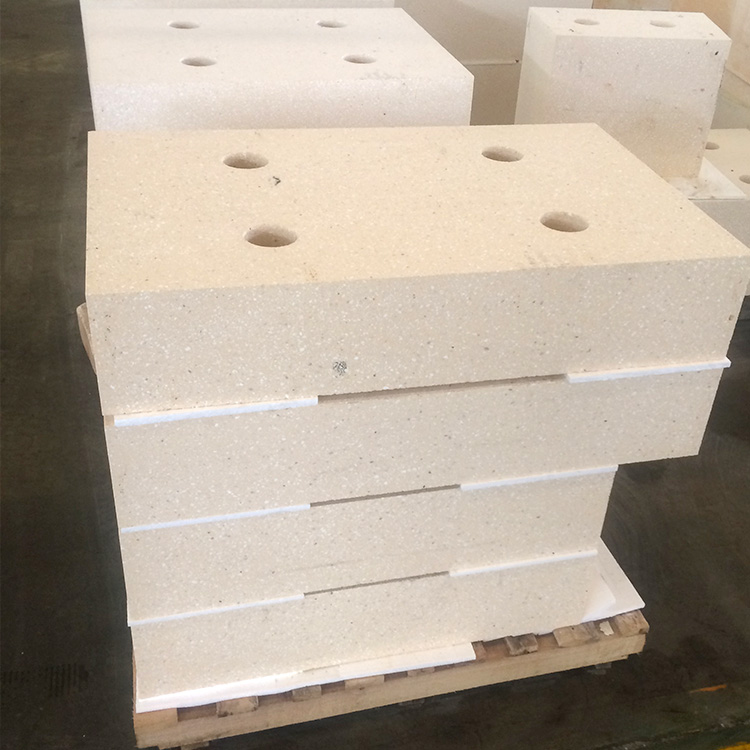
The strategic selection of kiln furniture materials directly impacts long-term operational costs and process reliability. Low-density cordierite offers a unique combination of low creep rate and superior thermal shock resistance unmatched by conventional choices.
As sustainability and energy efficiency become paramount, its lightweight nature contributes to reduced energy consumption during kiln operation. Given the increasing demand for high-precision, high-throughput manufacturing, investing in cordierite kiln furniture represents a calculated move toward process optimization and cost containment.
For engineers and decision-makers who have faced production interruptions or high maintenance costs linked to kiln furniture deformation, how have you addressed these issues in your operations? Share your experience and insights in the comments below to foster community knowledge and innovation.
Ready to elevate the performance and reliability of your heat treatment processes?