Low - density cordierite kiln furniture has emerged as a preferred choice in high - temperature heat treatment processes. Its unique porous structure and lightweight characteristics bring significant value in high - temperature environments. The porous and low - density nature of this kiln furniture is a key factor in its cost - effectiveness and energy - saving capabilities.
According to industry data, compared with traditional ceramic or corundum - based kiln furniture, low - density cordierite kiln furniture can reduce energy consumption by up to 30%. This is mainly because the porous structure allows for better heat transfer, reducing the amount of energy required to reach and maintain high temperatures. A customer review in a reference box states, "Since we switched to low - density cordierite kiln furniture, our energy bills have decreased significantly, which has a direct positive impact on our bottom line."
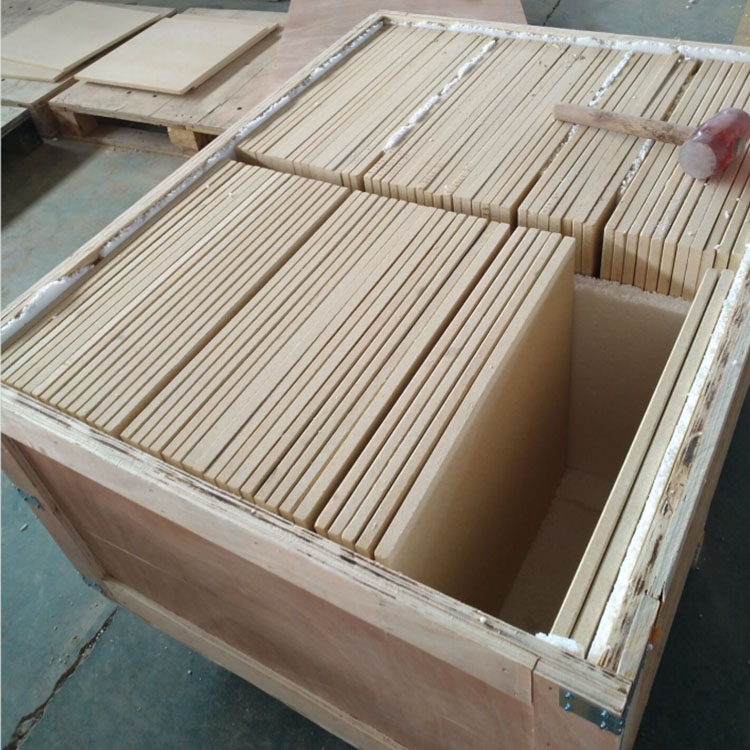
The cost - benefit of low - density cordierite kiln furniture is not only reflected in energy savings but also in its long - term value. The low creep rate of this material is a remarkable feature. Creep is the slow deformation of a material under constant stress at high temperatures. Low - density cordierite kiln furniture has a very low creep rate, which can extend the service life of the support system.
For example, in a high - temperature heat treatment production line, the low creep rate of cordierite kiln furniture can reduce the frequency of support system replacement. Traditional ceramic or corundum kiln furniture may need to be replaced every 6 - 8 months due to creep deformation, while low - density cordierite kiln furniture can last up to 12 - 18 months. This not only reduces the cost of purchasing new equipment but also ensures the continuity of production, reducing downtime by up to 40%.
The low creep rate of low - density cordierite kiln furniture is crucial for the support system. In high - temperature heat treatment processes, the support system needs to bear the weight of the materials being processed. If the creep rate is high, the support system will deform over time, which may lead to product quality issues and even production line shutdowns.
With its low creep rate, cordierite kiln furniture can maintain its shape and strength over a long period, ensuring the stability of the support system. This guarantees continuous production, reducing the risk of production interruptions and the associated losses. A metal sintering plant reported that after using low - density cordierite kiln furniture, they were able to increase their production output by 20% due to the reduction in downtime.
Another outstanding advantage of low - density cordierite kiln furniture is its high thermal shock resistance. In high - temperature heat treatment processes, rapid heating and cooling are often required. Traditional kiln furniture may crack or break under such rapid temperature changes, while low - density cordierite kiln furniture can withstand these harsh conditions.
Its high thermal shock resistance allows for rapid temperature change processes, increasing process flexibility. For example, in ceramic sintering, the ability to quickly heat and cool can reduce the overall sintering time, improving production efficiency. In a ceramic sintering plant, after adopting low - density cordierite kiln furniture, they were able to shorten the sintering cycle by 15%, which means more products can be produced in the same period.
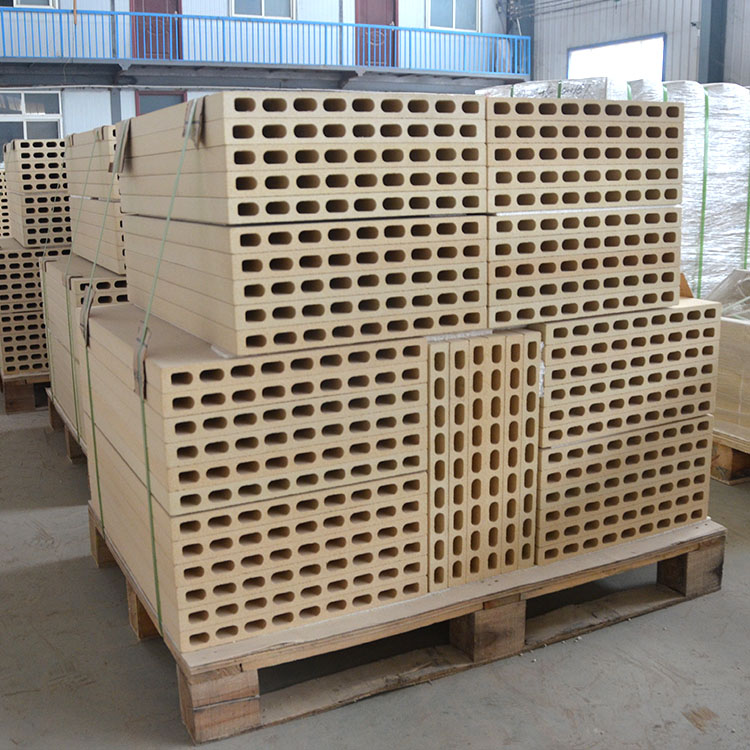
When compared with traditional ceramic or corundum - based kiln furniture, low - density cordierite kiln furniture shows clear technical leadership. Traditional kiln furniture often has higher density, which means more energy is required for heating. In addition, their thermal shock resistance and creep resistance are relatively poor.
The following table compares the key performance indicators of low - density cordierite kiln furniture and traditional kiln furniture:
| Performance Indicator | Low - Density Cordierite Kiln Furniture | Traditional Ceramic or Corundum Kiln Furniture |
|---|---|---|
| Energy Consumption | 30% lower | Higher |
| Creep Rate | Low | Higher |
| Thermal Shock Resistance | High | Lower |
In the ceramic sintering industry, low - density cordierite kiln furniture has been widely used. For example, a large - scale ceramic factory was facing problems such as high energy consumption and frequent equipment replacement. After switching to low - density cordierite kiln furniture, they not only reduced energy consumption but also improved product quality due to the more stable support system and better thermal shock resistance.
In the metal sintering industry, the low creep rate and high thermal shock resistance of cordierite kiln furniture are also highly valued. A metal sintering plant reported that by using low - density cordierite kiln furniture, they were able to achieve more precise control of the sintering process, resulting in higher - quality metal products and increased production efficiency.
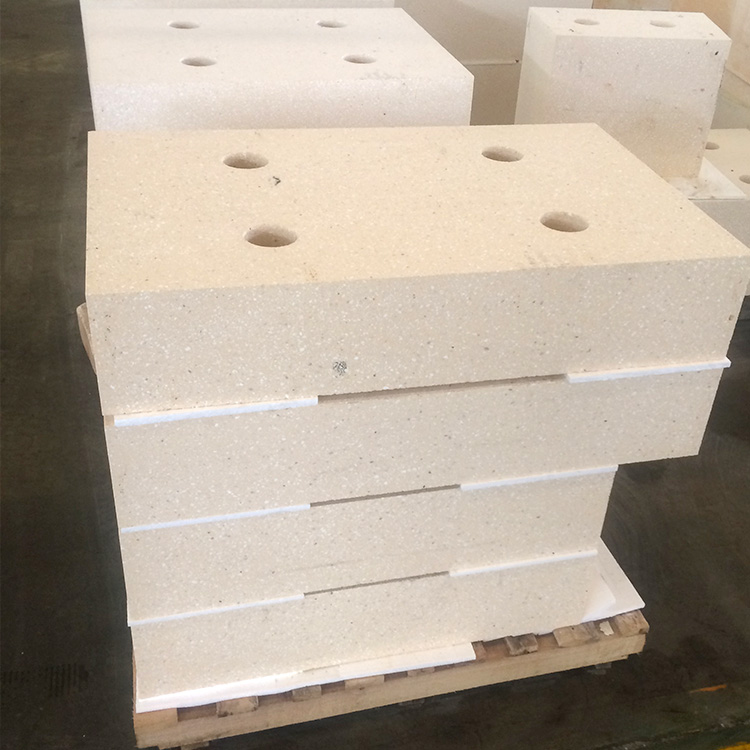
Low - density cordierite kiln furniture offers significant advantages in high - temperature heat treatment processes, including cost - effectiveness, energy - saving, support system life extension, and process flexibility. By comparing with traditional kiln furniture and looking at real - world application cases, it is clear that this material is a game - changer in the industry.
Are you struggling with high energy costs, short equipment life, or limited process flexibility in your heat treatment processes? It's time to evaluate your process pain points and make a smart purchasing decision. Click here to explore how low - density cordierite kiln furniture can transform your production line and bring you more efficient, stable, and cost - effective heat treatment production.