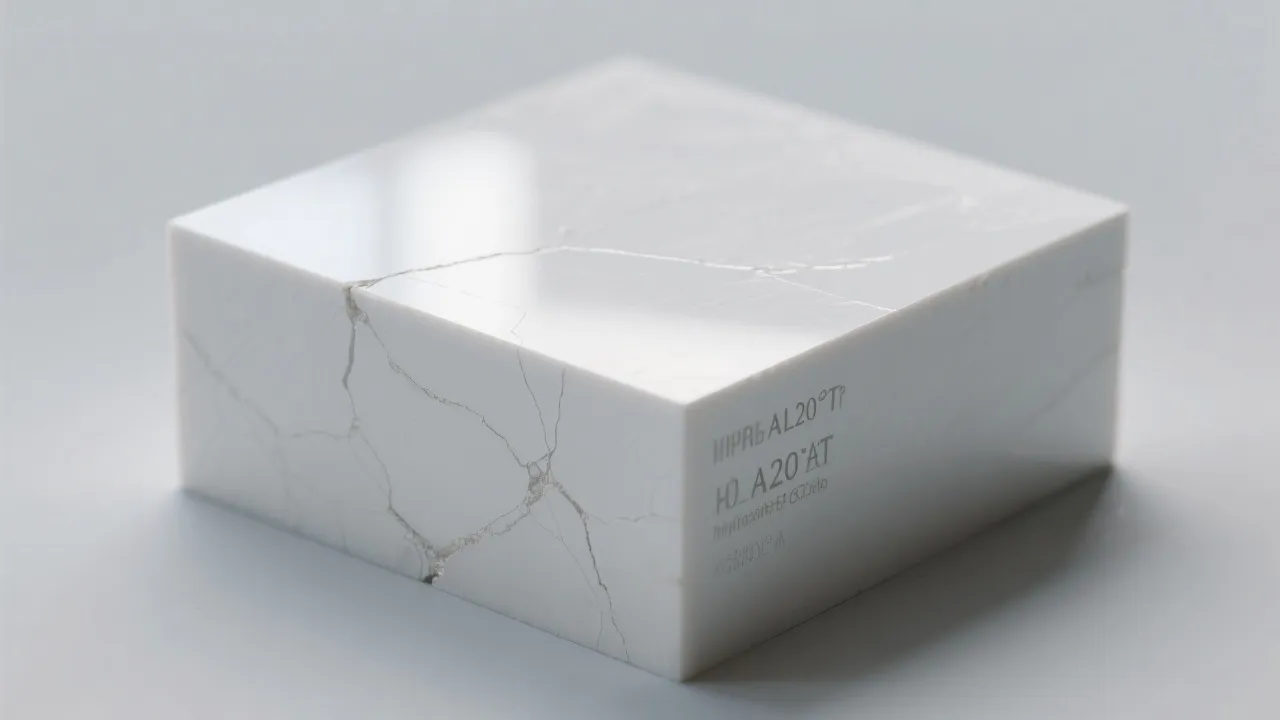
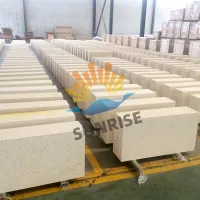
In the highly competitive glass manufacturing industry, controlling the purity of the glass melt is paramount. Contaminants commonly found in production lines adversely affect product quality, leading to cloudiness, bubbles, and structural weaknesses in glass products. The high-purity fused α-alumina block TY-A addresses these challenges by offering exceptional chemical purity and superior resistance to corrosive environments, making it an indispensable material for optimizing glass production.
Glass producers frequently encounter glass liquid pollution that manifests as inclusions, gas bubbles, and overall diminished melt quality. Common impurities like iron oxide (Fe2O3) and titanium dioxide (TiO2) present in refractory materials react with the molten glass, introducing defects and discoloration. This contamination disrupts product consistency and escalates waste, inflating manufacturing costs and reducing throughput efficiency.
TY-A boasts an Al2O3 content exceeding 98%, synthesized from meticulously selected raw materials. Critically, it is free from Fe2O3 and TiO2 impurities—two elements notorious for causing glass melt contamination. This chemical purity reduces the incidence of gaseous inclusions and prevents unwanted chemical reactions with the molten glass, resulting in significantly clearer glass products with fewer micro-defects.
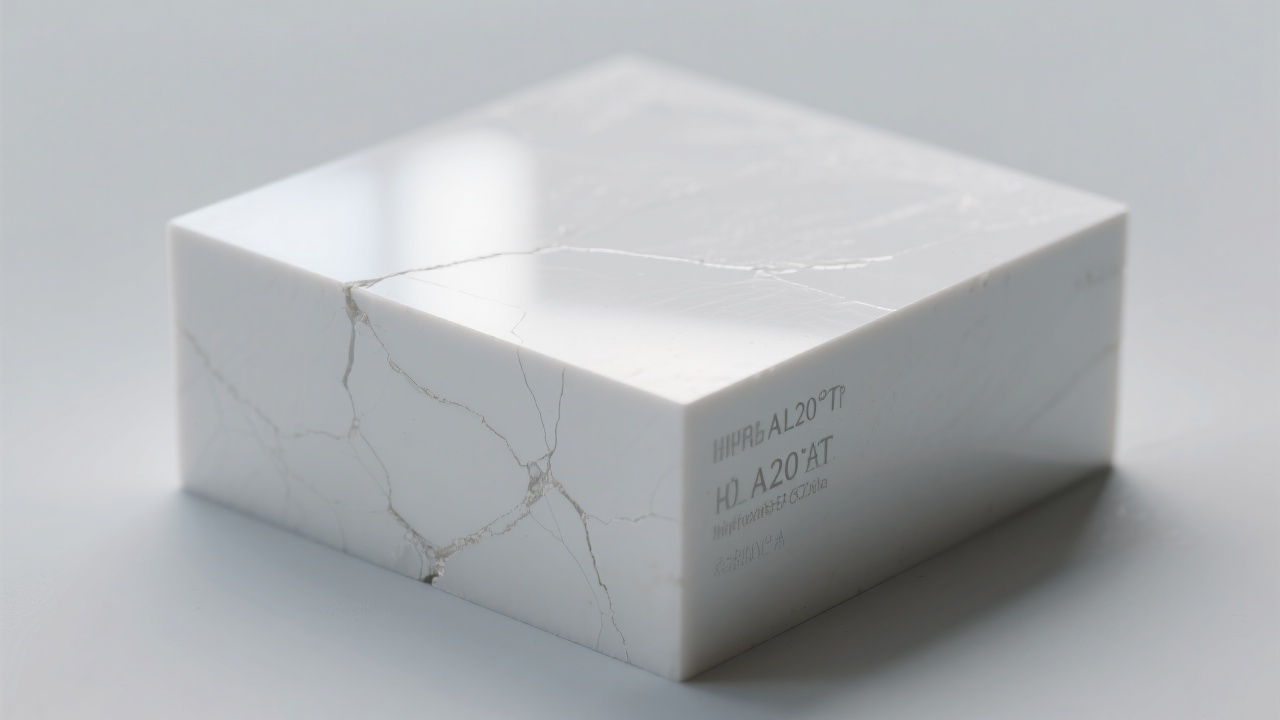
Manufactured through high-temperature electric melting at around 2000°C, TY-A forms a dense, non-porous α-alumina ceramic structure. This advanced process significantly enhances the product’s mechanical and chemical resistance. The block’s dense matrix withstands exposure to strong alkaline melts (pH > 12) and maintains structural integrity at temperatures exceeding 1350°C during continuous glass production.
The superior corrosion and alkali resistance reduces refractory wear rates, prolonging furnace component lifespan and minimizing downtime for maintenance. Glass plants integrating TY-A have reported a 25-35% reduction in refractory replacement frequency, directly contributing to operational cost savings and improved line uptime.
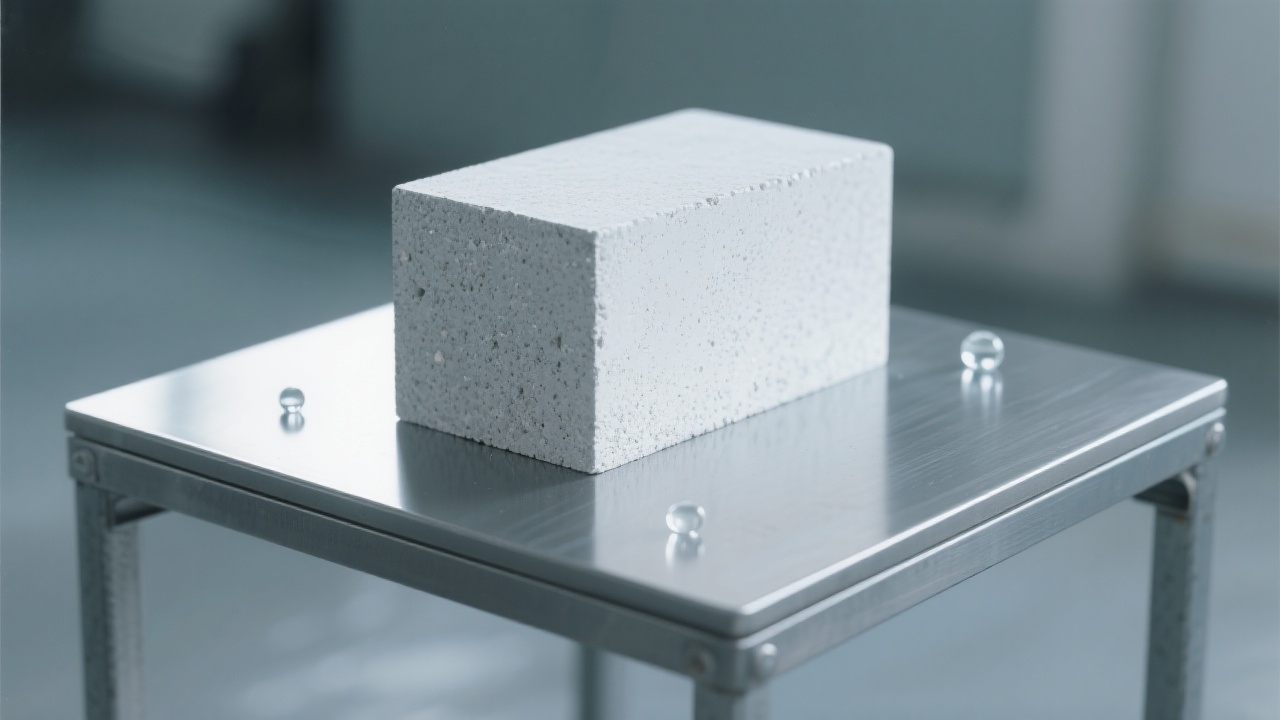
Several leading glass manufacturers have adopted TY-A blocks with outstanding results. For example, a mid-sized glass fiber producer reported:
Additionally, the enhanced durability of TY-A blocks prevented frequent refractory replacements, saving more than 200 operational hours annually. These data underscore TY-A's role not only as a performance enhancer but also as a cost optimizer.
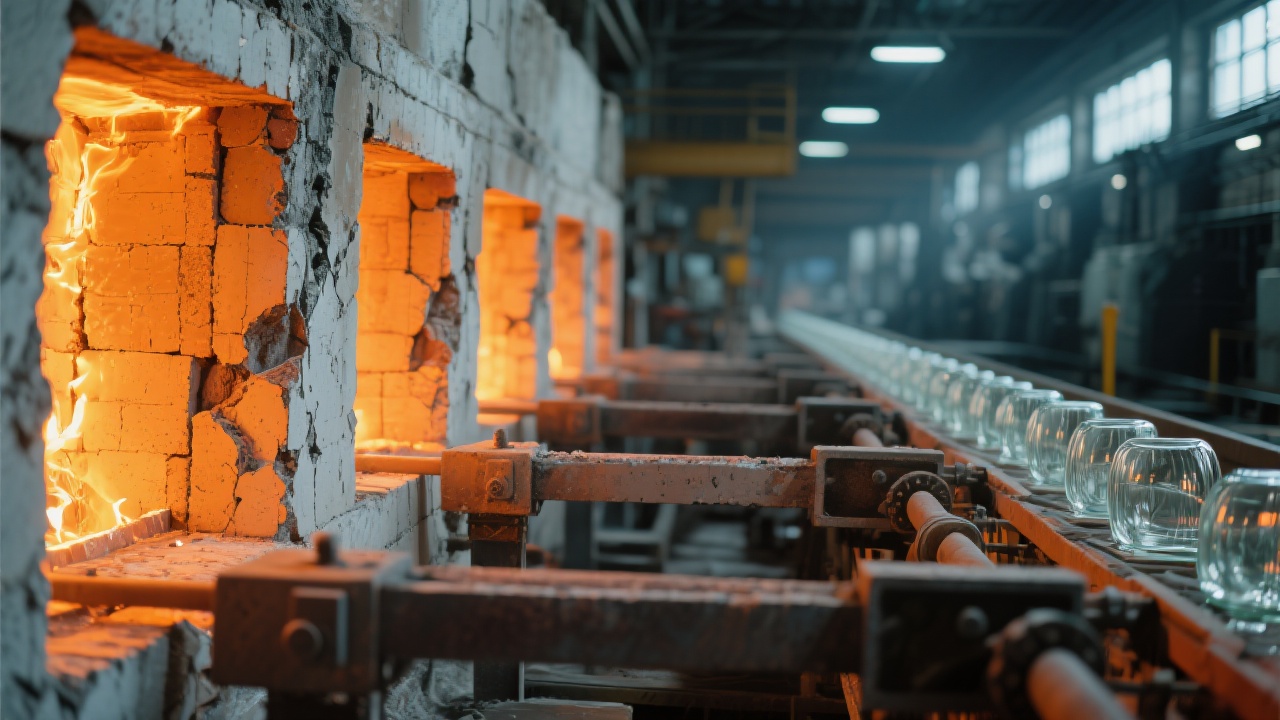
TY-A’s leading features align perfectly with the pressing demands of modern glass production:
This combination empowers manufacturers to enhance glass product quality, lower production costs, and respond effectively to stringent market expectations.
.jpg?x-oss-process=image/resize,h_600,m_lfit/format,webp)
 72
|
72
|
 silicon bricks
high-temperature refractory materials
silicon bricks
high-temperature refractory materials
 99
|
market trends
refractory materials
industry analysis
99
|
market trends
refractory materials
industry analysis
.jpg?x-oss-process=image/resize,h_600,m_lfit/format,webp) 446
|
synthetic magnesite olivine bricks
alkaline slag resistance refractory materials
eco-friendly high-temperature bricks
446
|
synthetic magnesite olivine bricks
alkaline slag resistance refractory materials
eco-friendly high-temperature bricks
 379
|
Magnesia Zirconia Bricks
High-Density Magnesia Zirconia Bricks
Alkali-Resistant Magnesia Zirconia Bricks
High-Temperature Magnesia Zirconia Bricks
Magnesia Bricks for Glass Furnaces
Durable Magnesia Zirconia Bricks
Energy Efficient Magnesia Zirconia Bricks
Corrosion-Resistant Magnesia Zirconia Bricks
Quality Magnesia Zirconia Bricks Suppliers
379
|
Magnesia Zirconia Bricks
High-Density Magnesia Zirconia Bricks
Alkali-Resistant Magnesia Zirconia Bricks
High-Temperature Magnesia Zirconia Bricks
Magnesia Bricks for Glass Furnaces
Durable Magnesia Zirconia Bricks
Energy Efficient Magnesia Zirconia Bricks
Corrosion-Resistant Magnesia Zirconia Bricks
Quality Magnesia Zirconia Bricks Suppliers
.jpg?x-oss-process=image/resize,h_600,m_lfit/format,webp) 291
|
Alpha-Beta Bauxite
Bauxite Properties
Bauxite Applications
Alumina Production
Mineral Resources
291
|
Alpha-Beta Bauxite
Bauxite Properties
Bauxite Applications
Alumina Production
Mineral Resources
.jpg?x-oss-process=image/resize,m_fill,h_200,w_200/format,webp)
.jpg?x-oss-process=image/resize,m_fill,h_200,w_200/format,webp)

.jpg?x-oss-process=image/resize,m_fill,h_200,w_200/format,webp)


.jpg?x-oss-process=image/resize,m_fill,h_200,w_200/format,webp)
.jpg?x-oss-process=image/resize,m_fill,h_200,w_200/format,webp)