Are you still dealing with frequent refractory failures, high energy bills, or inconsistent glass quality in your furnace operations? You're not alone—many glass manufacturers face these challenges daily. But what if a single material upgrade could transform both efficiency and sustainability?
Traditional silica bricks often fail under prolonged exposure to temperatures above 1,500°C. This leads to thermal spalling, structural deformation, and even unexpected shutdowns. According to industry data from the International Refractories Association, inefficient refractory materials can increase energy consumption by up to 18% and reduce furnace lifespan by as much as 30%. That’s not just downtime—it’s lost revenue.
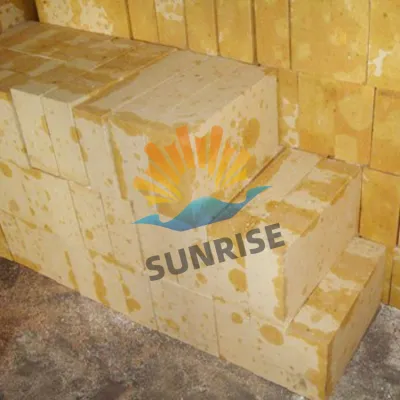
High-performance silicon brick (with SiO₂ content ≥96%) offers superior resistance to thermal shock and chemical attack. Its unique 鳞石英 structure ensures minimal volume change during heating and cooling cycles—a critical factor for maintaining precise furnace geometry. Unlike standard bricks that crack after 6–8 months, premium silicon brick lasts over 18 months without significant degradation.
| Feature | Standard Brick | Premium Silicon Brick |
|---|---|---|
| SiO₂ Content | ~92% | ≥96% |
| Thermal Conductivity (W/m·K) | 1.2 | 0.9 |
| Avg. Lifespan | 6–8 months | 18+ months |
And it’s not just about durability. Because this brick is free from iron oxide and other contaminants, it won’t introduce coloration or impurities into your molten glass—ensuring consistent product clarity and reducing rework rates by up to 25%.
A mid-sized float glass manufacturer in Egypt replaced their old refractory lining with our premium silicon brick. Within three months, they reported:
You might be asking: “Is my current setup really costing me this much?” If you’ve noticed increased fuel use, more frequent repairs, or inconsistent product quality, the answer is likely yes.
Ready to see how this technology can work for YOUR plant?
Get Your Customized Performance Report NowChoosing high-performance silicon brick isn’t just about replacing a component—it’s an investment in operational resilience, environmental compliance, and long-term profitability. Whether you’re scaling up or optimizing existing lines, this upgrade delivers measurable ROI faster than most capital projects.