The coke industry continually faces the challenge of optimizing coke oven refractory materials to balance operational stability, energy efficiency, and cost control. Traditional silica bricks, while widely used, often show performance limitations such as higher porosity and lower density, resulting in suboptimal thermal conductivity and shortened service life. In response, high-density low-porosity silica bricks have emerged as a technical innovation addressing these bottlenecks, offering significant improvements in coke oven efficiency and durability.
High-density low-porosity silica bricks are engineered to achieve a bulk density exceeding 2.38 g/cm³ and a porosity below 16%. These parameters directly influence key refractory properties:
| Parameter | Traditional Silica Brick | High-Density Low-Porosity Silica Brick |
|---|---|---|
| Bulk Density (g/cm³) | 2.20 – 2.30 | > 2.38 |
| Porosity (%) | 20 – 25 | < 16 |
| Thermal Conductivity (W/m·K) | 1.3 – 1.5 | 1.7 – 1.8 |
| Service Life (Months) | 12 – 18 | 18 – 25 |
| Energy Consumption Reduction | Baseline | Up to 10% |
Several key coke plants saw remarkable transformations after transitioning to high-density, low-porosity silica bricks. One industrial user reported:
“Switching to these high-density bricks extended our coke oven runtime by nearly 35%, significantly lowering maintenance intervals while cutting total energy costs by 8%. The upfront investment quickly paid off through operational savings and increased productivity.”
— Plant Operations Manager, Leading Steel Manufacturer
These data points clearly demonstrate how enhanced thermal properties and mechanical stability directly contribute to improved coke oven efficiency and reduced comprehensive operating costs.
While high-density low-porosity silica bricks typically entail a 10–15% higher initial price compared to traditional bricks, the return on investment becomes apparent when factoring reduced downtime, lower energy consumption, and extended refractory life. In typical scenarios:
Evaluating the suitability of high-density low-porosity silica bricks requires analyzing your specific coke oven operating conditions, including temperature profiles, mechanical stresses, and maintenance logistics. Recommended decision factors include:
Investing in advanced refractory solutions such as high-density low-porosity silica bricks is a strategic step toward elevating coke oven profitability and operational stability.
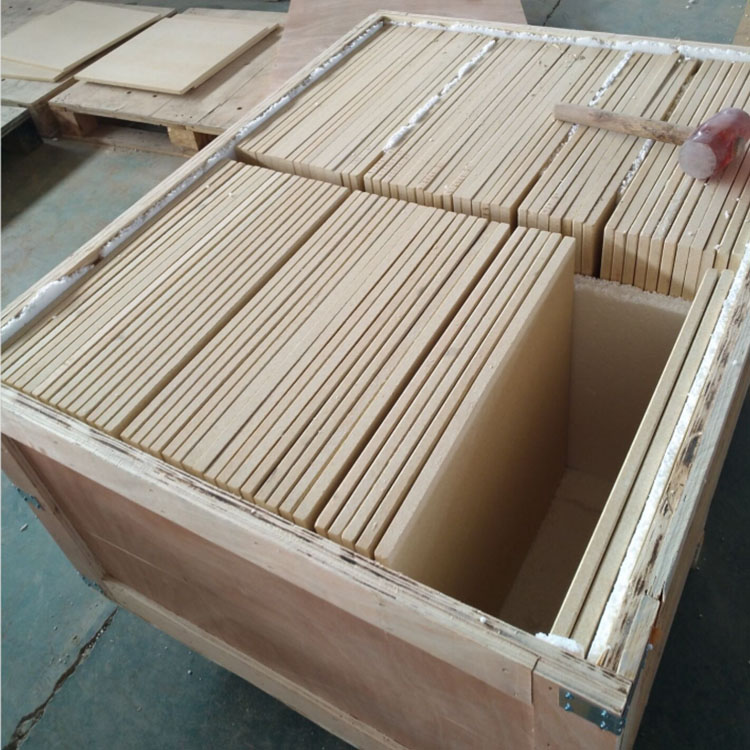
Ready to elevate your coke oven performance with cutting-edge refractory bricks designed for longevity and energy savings? Discover Our High-Density Low-Porosity Silica Bricks and achieve the competitive edge your operation deserves.
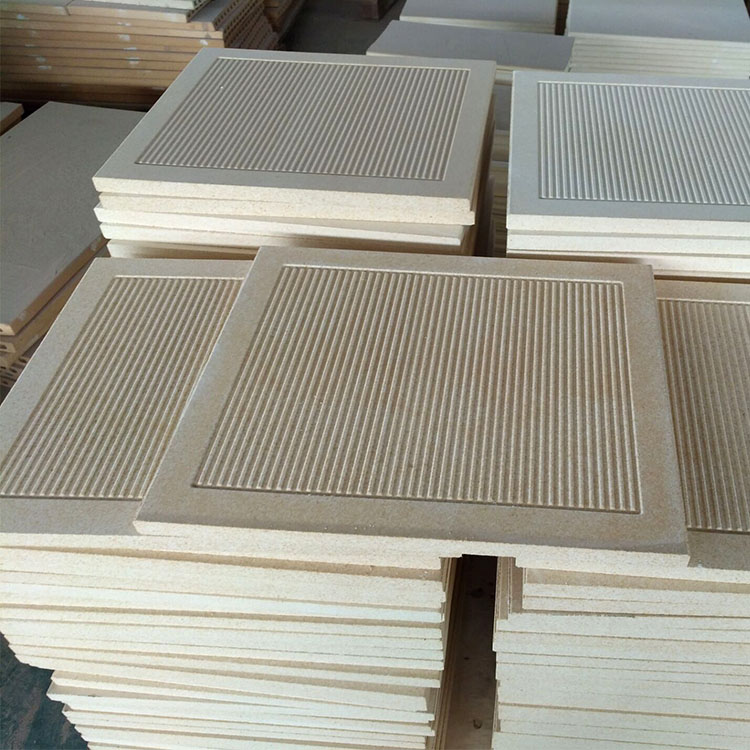
Porosity influences not only heat retention but also vulnerability to chemical attack and mechanical wear. Decreasing porosity below 16% creates a denser matrix that restricts slag penetration and thermal shock damage. Meanwhile, a density above 2.38 g/cm³ ensures mechanical robustness under cyclic heat loads.
Optimizing these parameters results in a synergistic effect enhancing both the lifespan and operational stability of coke oven refractories, underpinning substantial financial and technical advantages.
 141
|
141
|
 Technology Innovation
Ceramic Manufacturing
Technology Innovation
Ceramic Manufacturing
 292
|
AZS TY-AZS36D
raw material selection
performance impact
ceramic manufacturing
industrial materials
292
|
AZS TY-AZS36D
raw material selection
performance impact
ceramic manufacturing
industrial materials
 207
|
glass melting bricks
high-temperature performance
thermal efficiency
industrial applications
207
|
glass melting bricks
high-temperature performance
thermal efficiency
industrial applications
 104
|
high-zirconium bricks
glass production
success stories
customer satisfaction
104
|
high-zirconium bricks
glass production
success stories
customer satisfaction
.jpg?x-oss-process=image/resize,h_600,m_lfit/format,webp) 325
|
magnesia-chrome bricks
steel manufacturing
refractory materials
steel production
industrial ceramics
325
|
magnesia-chrome bricks
steel manufacturing
refractory materials
steel production
industrial ceramics


.jpg?x-oss-process=image/resize,m_fill,h_200,w_200/format,webp)


.jpg?x-oss-process=image/resize,m_fill,h_200,w_200/format,webp)