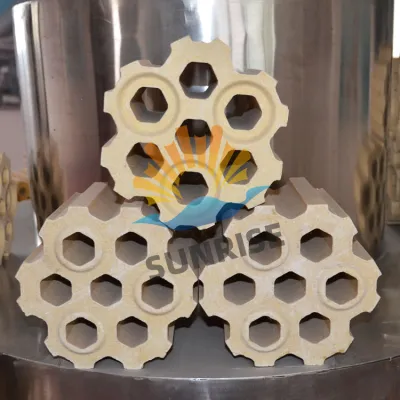
In the face of the challenges of high energy consumption and product quality in the hot blast stove industry, choosing the right refractory materials has become crucial for businesses. Among them, silica bricks for hot blast stoves stand out as an excellent solution, offering both high energy - efficiency and reliable quality.
Silica bricks have a significantly higher thermal conductivity compared to other common refractory materials such as clay bricks and high - alumina bricks. For example, the thermal conductivity of silica bricks can reach about 1.8 - 2.2 W/(m·K) at high temperatures, while that of clay bricks is only around 1.0 - 1.5 W/(m·K). This high thermal conductivity enables hot blast stoves to store and release heat more efficiently in a shorter time.
Let's take a look at the data comparison in an actual operation. In a medium - sized hot blast stove, when using silica bricks, it can achieve a heat storage rate of up to 85% within 2 - 3 hours. In contrast, if clay bricks are used, it takes 4 - 5 hours to reach a heat storage rate of only 70%. This means that silica bricks can effectively reduce energy consumption by at least 15 - 20% during the heat - storage and heat - release process.
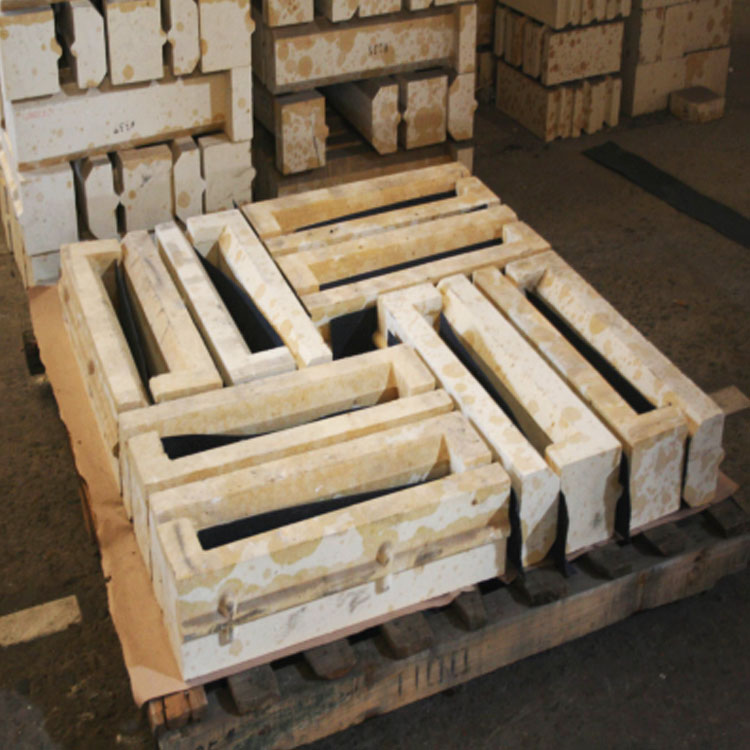
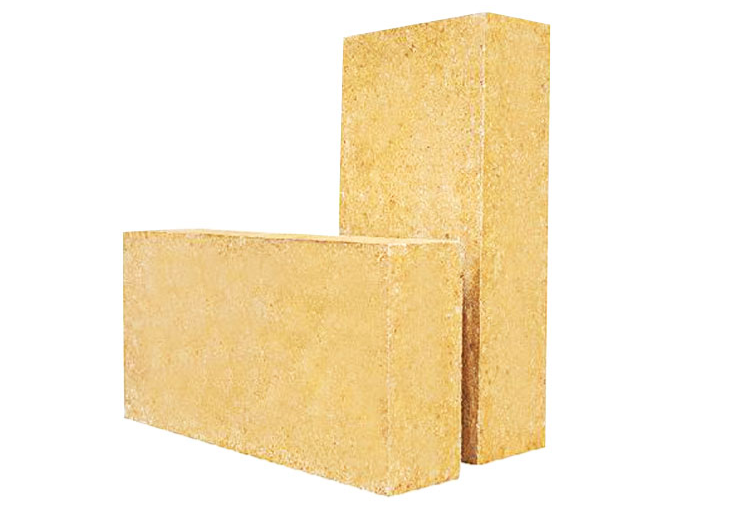
The quality of silica bricks for hot blast stoves is ensured by strict manufacturing and inspection standards. In terms of shape and size, the dimensional accuracy of silica bricks is controlled within ±0.5mm. This high - precision requirement ensures a tight fit between bricks in the hot blast stove, preventing heat leakage and improving overall energy efficiency.
Crack control is also a key aspect. The maximum allowable crack length on the surface of silica bricks is limited to 3mm, and the width is less than 0.1mm. By strictly controlling cracks, the structural integrity of the bricks is maintained, and their service life is extended. In fact, silica bricks that meet these standards can have a service life of up to 10 - 15 years in a hot blast stove, which is much longer than some other refractory materials.
Many industries have witnessed the outstanding performance of silica bricks in hot blast stoves. For instance, in a large - scale iron and steel plant, after replacing the original clay bricks with silica bricks in their hot blast stoves, they achieved an annual energy cost reduction of about 200,000 US dollars. At the same time, the frequency of stove maintenance decreased from once every 2 years to once every 5 years, greatly improving production efficiency.
Another case is from a chemical plant. Their hot blast stoves using silica bricks showed a more stable temperature control during the production process. The temperature fluctuation was reduced from ±10°C to ±3°C, which improved the quality of their chemical products and increased the product qualification rate by about 10%.
In summary, silica bricks for hot blast stoves offer multiple benefits. Their high thermal conductivity leads to significant energy savings, while strict manufacturing and inspection standards ensure long - term reliability. The real - world application cases also prove their effectiveness in different industries.
If you are looking for a high - performance and energy - efficient refractory material for your hot blast stove, silica bricks are definitely the right choice. They can not only help you reduce energy costs but also improve the stability and service life of your hot blast stove.
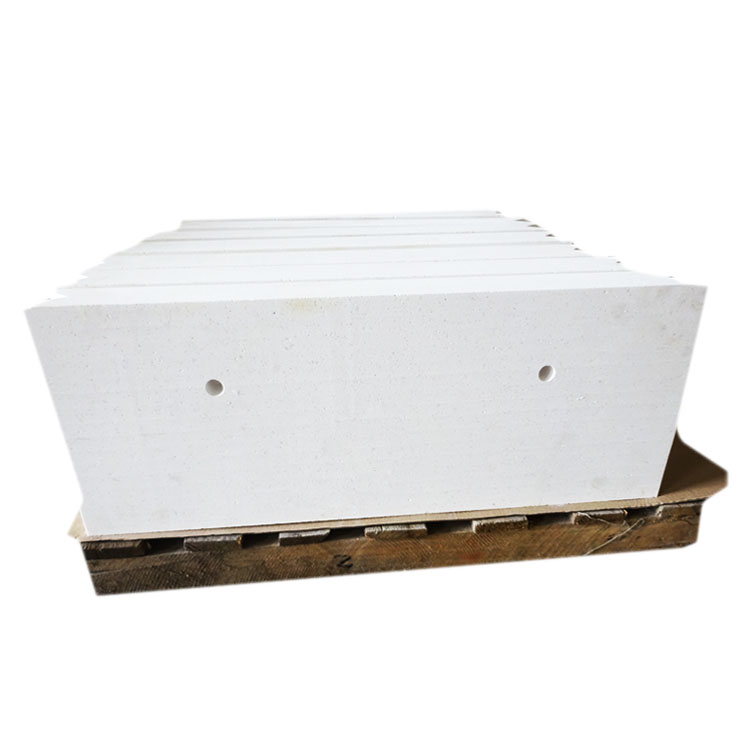
Discover the Power of Silica Bricks for Your Hot Blast Stoves Now!