In the competitive world of glass manufacturing, even a 5% improvement in efficiency can translate into significant cost savings and market advantage. But when a major European glass producer reported a 30% increase in production output after switching to high-purity silicon bricks, it caught the attention of industry leaders worldwide.
The average glass furnace operates at temperatures exceeding 1,500°C. Traditional refractories often degrade quickly under such conditions—leading to frequent maintenance, inconsistent product quality, and unexpected downtime. One client in Germany experienced over 12 unplanned shutdowns per year due to refractory failure, costing an estimated $180,000 annually in lost production and repair labor.
| Refractory Type | Avg. Lifespan (Months) | Downtime / Year | Cost Impact (USD) |
|---|---|---|---|
| Standard SiO₂ Brick | 6–8 | 10–15 days | $150k–$200k |
| High-Purity SiO₂ Brick | 18–24 | 2–3 days | $40k–$60k |
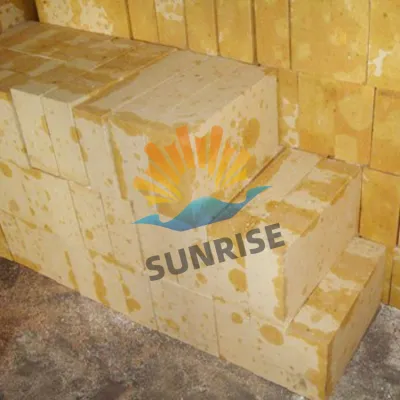
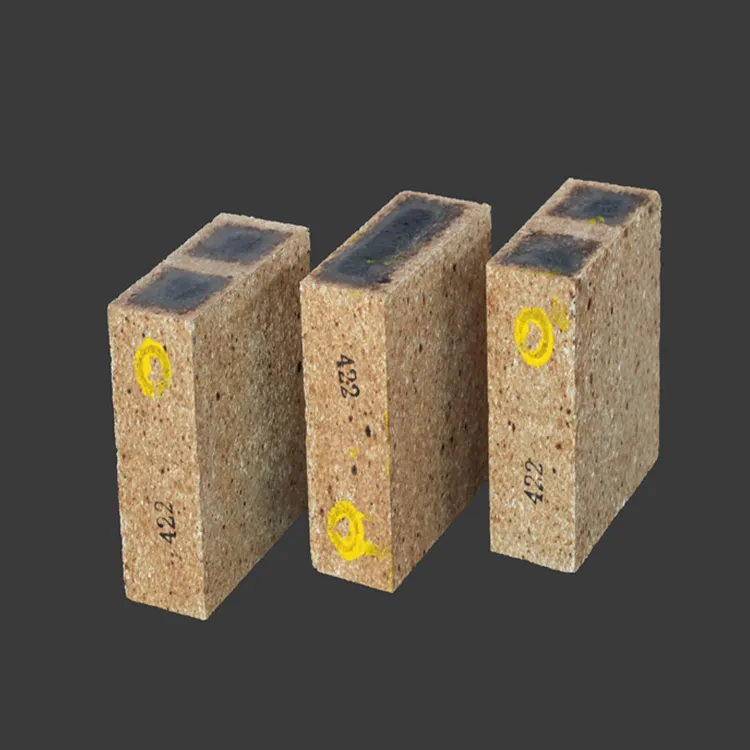
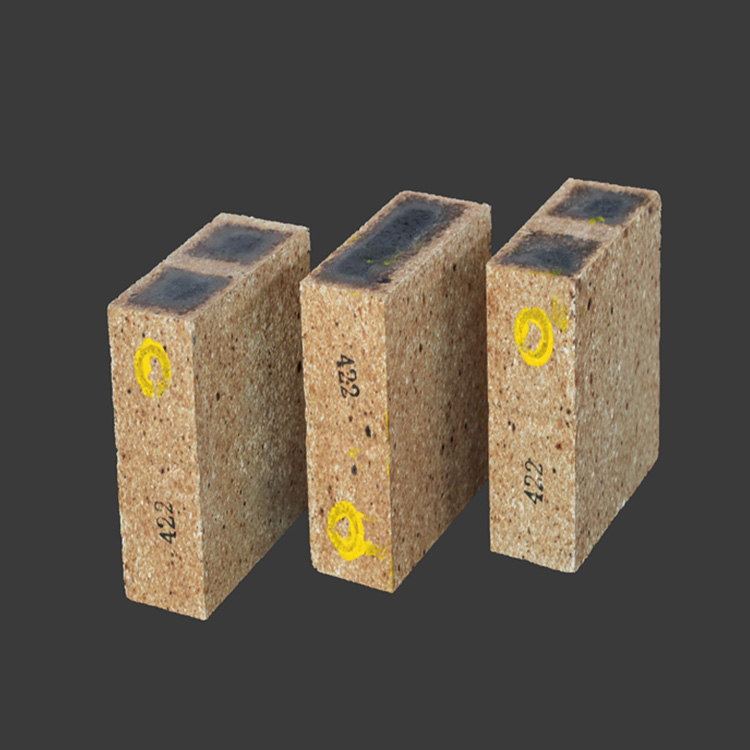
Our high-purity silicon bricks contain over 99.5% SiO₂, which significantly improves thermal shock resistance, volume stability, and corrosion resistance against molten glass. Unlike lower-grade alternatives that react with alkali metals in glass batches, these bricks remain inert—even after thousands of heating cycles.
A case study from a Moroccan glass manufacturer showed that after replacing their old bricks with our premium-grade silicon bricks:
These improvements weren’t just technical—they translated directly into higher profit margins and stronger customer satisfaction.
If you're managing a glass plant where downtime or inconsistency is affecting your bottom line, this isn't just another product pitch—it’s a proven path forward.
Let us help you move from reactive fixes to proactive performance gains. Whether you’re optimizing an existing line or building a new facility, our team provides tailored recommendations based on real-world data—not assumptions.
Get Your Free Technical Audit Now – See How Much You Can Save