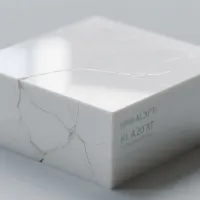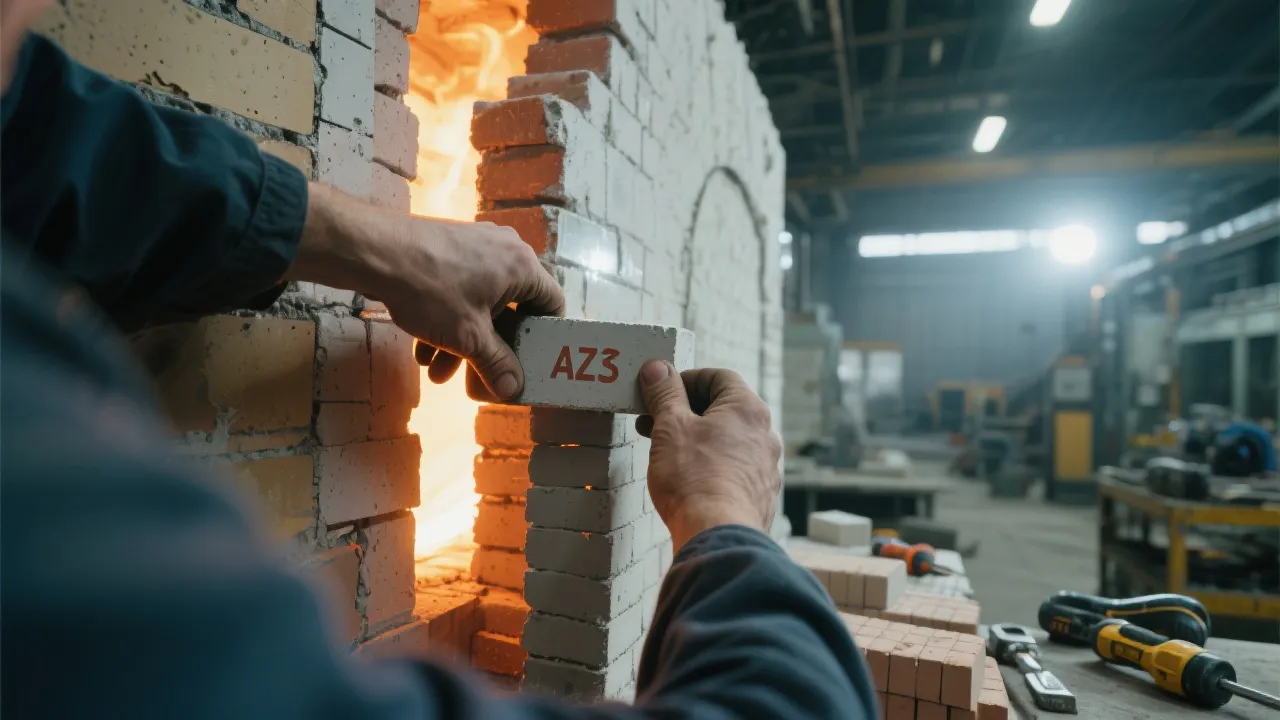
In the competitive landscape of glass manufacturing, the performance of refractory materials directly impacts production efficiency, product quality, and operational costs. Industry data shows that approximately 42% of unplanned glass furnace downtime can be attributed to refractory failures, resulting in average losses of $250,000 per day for medium-sized operations. This guide explores the challenges of refractory selection and introduces Sunrise's TY-Z88 series high-zirconia cast bricks as a proven solution for modern glass manufacturers.
Glass furnace operators face multifaceted challenges when selecting refractory materials. The harsh operating environment—with temperatures exceeding 1600°C, aggressive glass melt chemistry, and thermal cycling—demands materials that can withstand extreme conditions while maintaining structural integrity.
Key challenges include:
A recent industry survey revealed that 68% of glass manufacturers identify "unpredictable refractory life" as their primary concern, followed by "glass quality issues related to refractory contamination" at 57%.
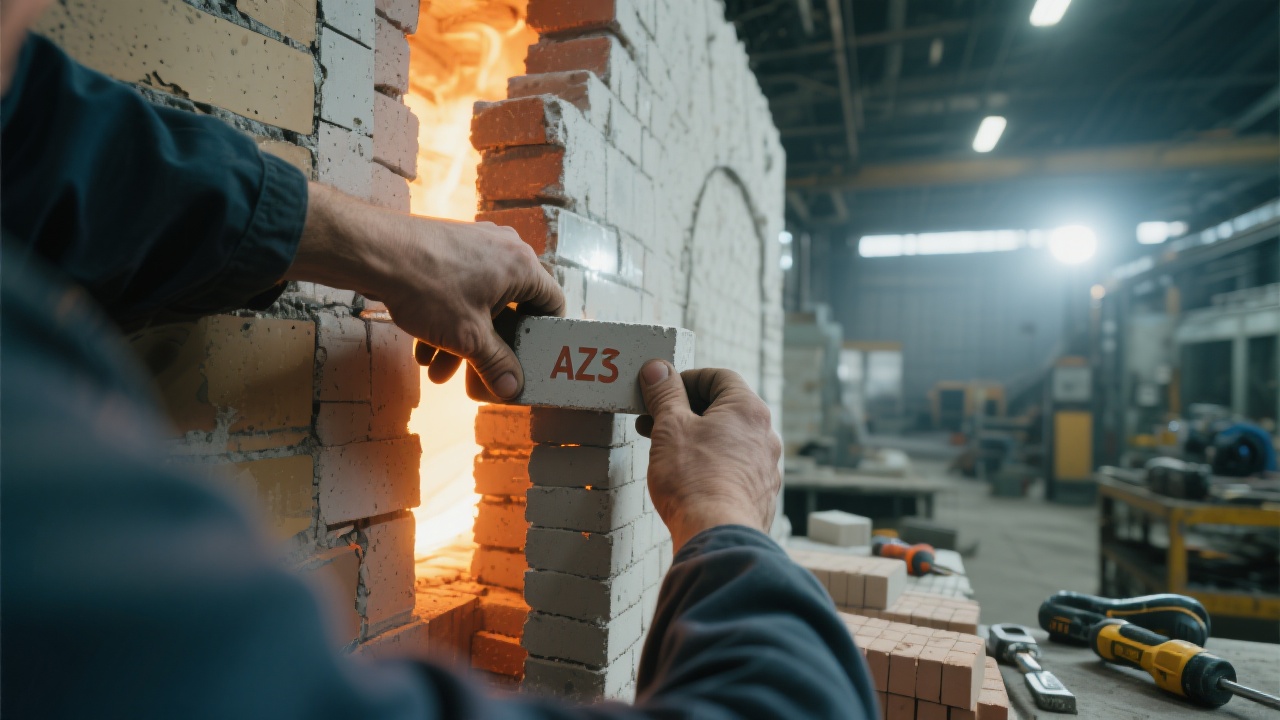
Sunrise's TY-Z88 series represents a technological advancement in refractory solutions, specifically engineered to address the unique challenges of modern glass furnaces. These high-zirconia cast bricks combine premium raw materials with specialized manufacturing processes to deliver exceptional performance.
The unique microstructure of TY-Z88 bricks—dominated by well-developed zirconia crystals—provides exceptional resistance to glass melt corrosion. Laboratory tests demonstrate that TY-Z88 bricks exhibit 35% lower corrosion rates compared to conventional AZS refractories in soda-lime glass applications, and up to 42% lower in borosilicate glass environments.
Sunrise offers two specialized variants of the TY-Z88 series to address different furnace requirements:
| Property | TY-Z88-WS | TY-Z95-WS |
|---|---|---|
| Zirconia Content | 88% | 95% |
| Bulk Density | 4.7 g/cm³ | 5.1 g/cm³ |
| Apparent Porosity | <18% | <16% |
| Maximum Service Temperature | 1650°C | 1700°C |
| Corrosion Resistance | Excellent | Superior |
| Primary Application | Sidewalls, throat, working ends | Melter crown, superstructure, critical zones |
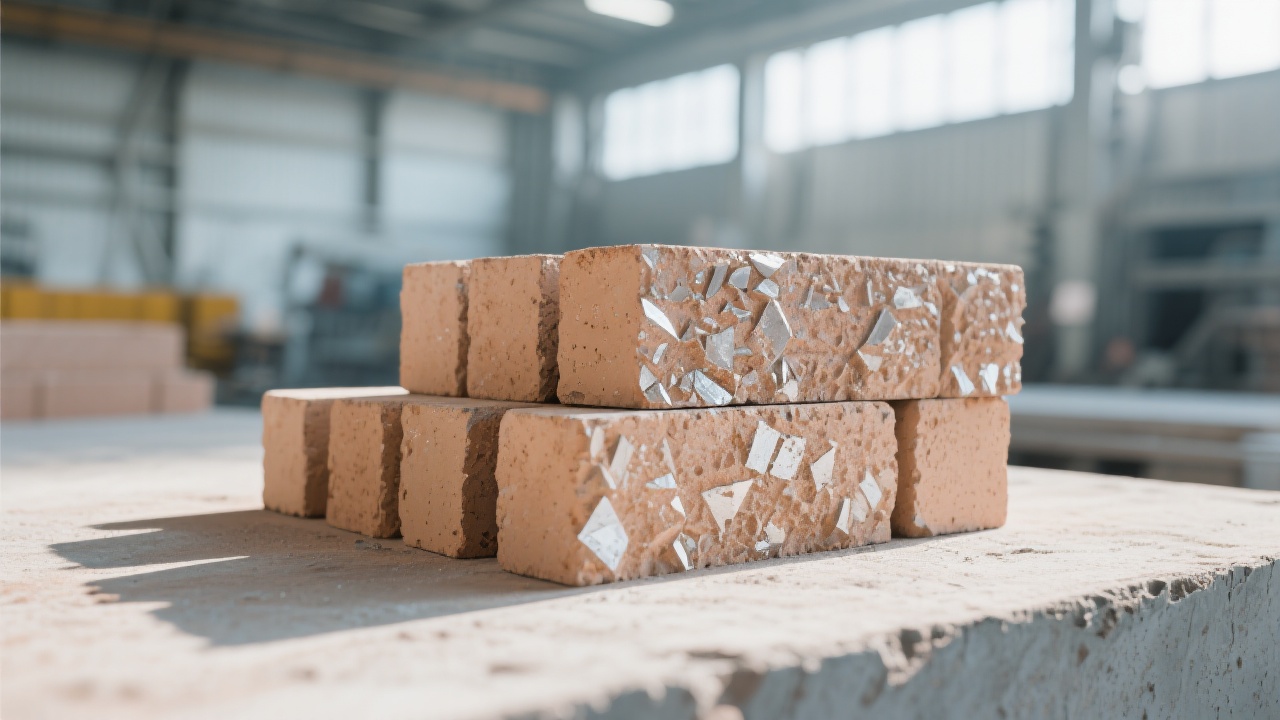
Proper material placement is critical to maximizing refractory performance and furnace efficiency. The TY-Z88 series offers tailored solutions for specific furnace zones:
The most demanding area of the furnace, where raw materials are converted to molten glass. TY-Z95-WS is recommended for the crown and upper sidewalls due to its superior temperature resistance and low volatility. A leading European glass manufacturer reported a 28% extension in campaign life after switching to TY-Z95-WS in their melting zone.
Where glass quality is finalized through bubble removal. TY-Z88-WS provides an optimal balance of corrosion resistance and cost-effectiveness for sidewall applications here, helping maintain glass purity while controlling expenses.
Critical for maintaining glass quality until forming. TY-Z88-WS excels in these areas, with one container glass producer documenting a 40% reduction in stone defects after implementing TY-Z88-WS in their forehearth.
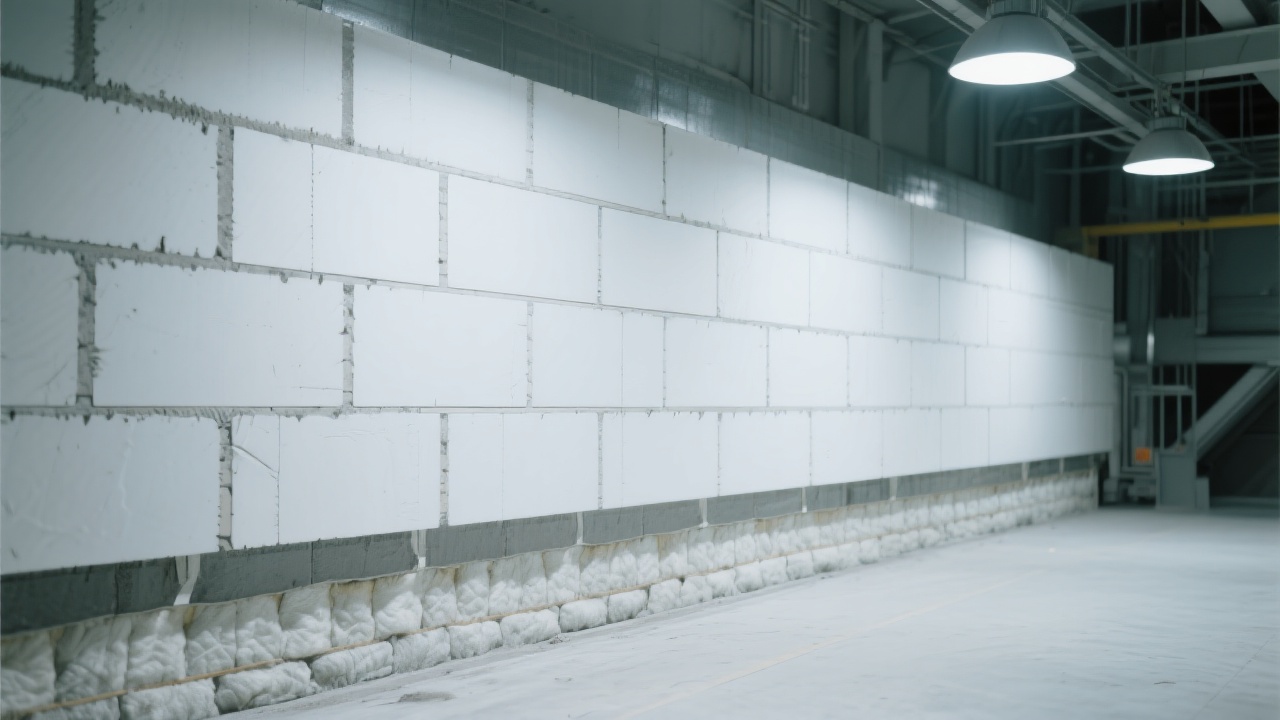
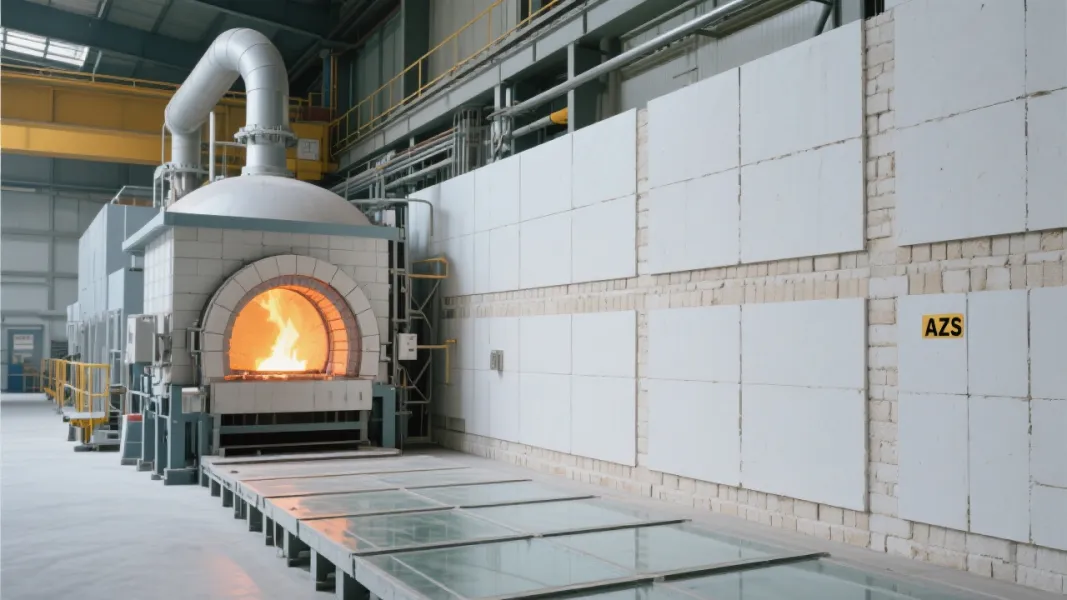
The versatility of Sunrise's TY-Z88 series makes it suitable for various glass manufacturing applications:
In particular, manufacturers producing high-value specialty glass have reported significant quality improvements with TY-Z88 series refractories, including a 35% reduction in bubble defects and a 27% decrease in stone formation, according to customer case studies.
Download our comprehensive Glass Furnace Refractory Selection Guide to receive personalized recommendations for your specific furnace configuration and glass type.
Get Your Custom Refractory SolutionSelecting the right refractory materials is a strategic decision that impacts not just immediate production but long-term operational efficiency and product quality. With Sunrise's TY-Z88 series high-zirconia cast bricks, glass manufacturers gain a competitive edge through improved furnace performance, reduced downtime, and enhanced product quality. The key to maximizing these benefits lies in proper material selection based on furnace zone, operating conditions, and glass type—an investment that consistently delivers positive returns through extended campaign life and reduced defect rates.
 373
|
373
|
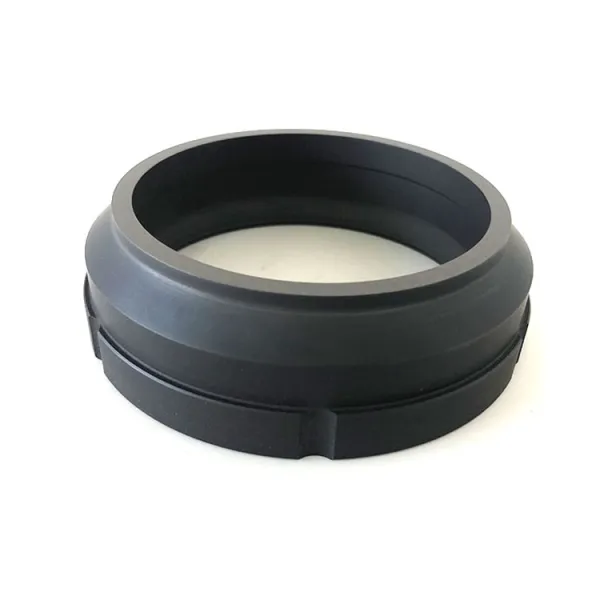
 AZS33 fused cast block
glass furnace refractory material
zirconia corrosion resistance
high purity alumina
glass production efficiency
AZS33 fused cast block
glass furnace refractory material
zirconia corrosion resistance
high purity alumina
glass production efficiency
 430
|
Fused alpha alumina block TY - A
Glass melt contamination
High - purity alumina
Corrosion - resistant refractory materials
Glass production technology
430
|
Fused alpha alumina block TY - A
Glass melt contamination
High - purity alumina
Corrosion - resistant refractory materials
Glass production technology
 233
|
AZS fused block
AZS33 corrosion resistance
glass melting furnace refractory material
Al2O3-ZrO2-SiO2 components
electro - fused AZS block
233
|
AZS fused block
AZS33 corrosion resistance
glass melting furnace refractory material
Al2O3-ZrO2-SiO2 components
electro - fused AZS block
 39
|
glass furnace silica bricks
high-purity silica bricks
refractory materials for glass industry
energy-efficient glass furnace solutions
corrosion-resistant silica bricks
39
|
glass furnace silica bricks
high-purity silica bricks
refractory materials for glass industry
energy-efficient glass furnace solutions
corrosion-resistant silica bricks
 194
|
Fused α-alumina block TY-A
High-purity alumina refractory materials
Glass melt purity improvement
Alkali-resistant and corrosion-resistant refractory materials
Glass kiln lining materials
194
|
Fused α-alumina block TY-A
High-purity alumina refractory materials
Glass melt purity improvement
Alkali-resistant and corrosion-resistant refractory materials
Glass kiln lining materials