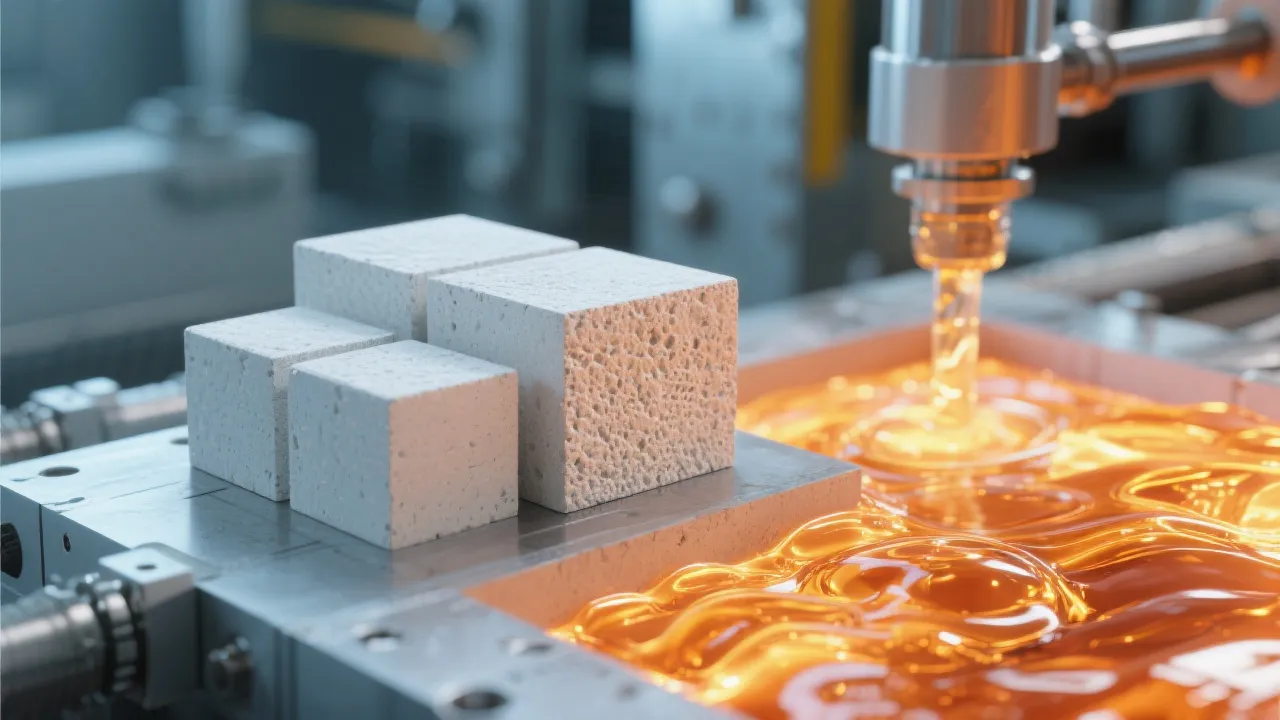
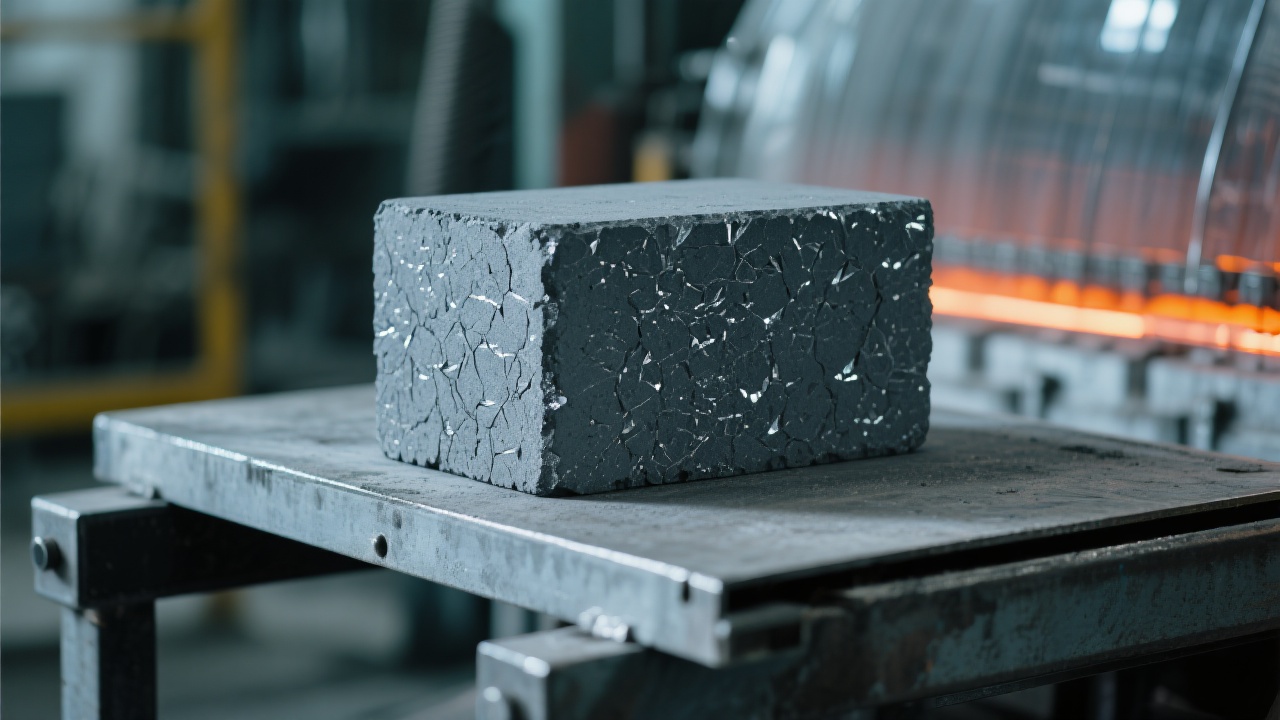
Glass manufacturers face persistent challenges controlling molten glass contamination, which directly impacts product quality and operational efficiency. The fused α-alumina block TY-A addresses these challenges critically with unmatched raw material purity and superior high-temperature performance.
Molten glass purity can be compromised primarily by impurities introduced from refractory linings interacting with the glass melt. Traditional refractory ceramics often contain iron (Fe₂O₃) and titanium oxides (TiO₂) impurities, which catalyze discoloration and bubble formation in glass products. This undermines clarity and mechanical properties, leading to increased waste and customer returns.
In contrast, the fused α-alumina block TY-A boasts an exceptional alumina (Al₂O₃) content exceeding 98%, completely free from Fe₂O₃ and TiO₂ contaminants. This ultra-high purity base dramatically reduces the risk of impurity diffusion into glass melts, assuring superior optical and structural integrity.
The production of TY-A involves an advanced electrofusion process conducted at 2000°C. This high-temperature melting refines and densifies the alumina grains into an exceptionally compact structure. The resulting microstructure exhibits:
This dense, corrosion-resistant refractory significantly curtails the generation of gases and foreign particles, key contributors to glass liquid contamination.
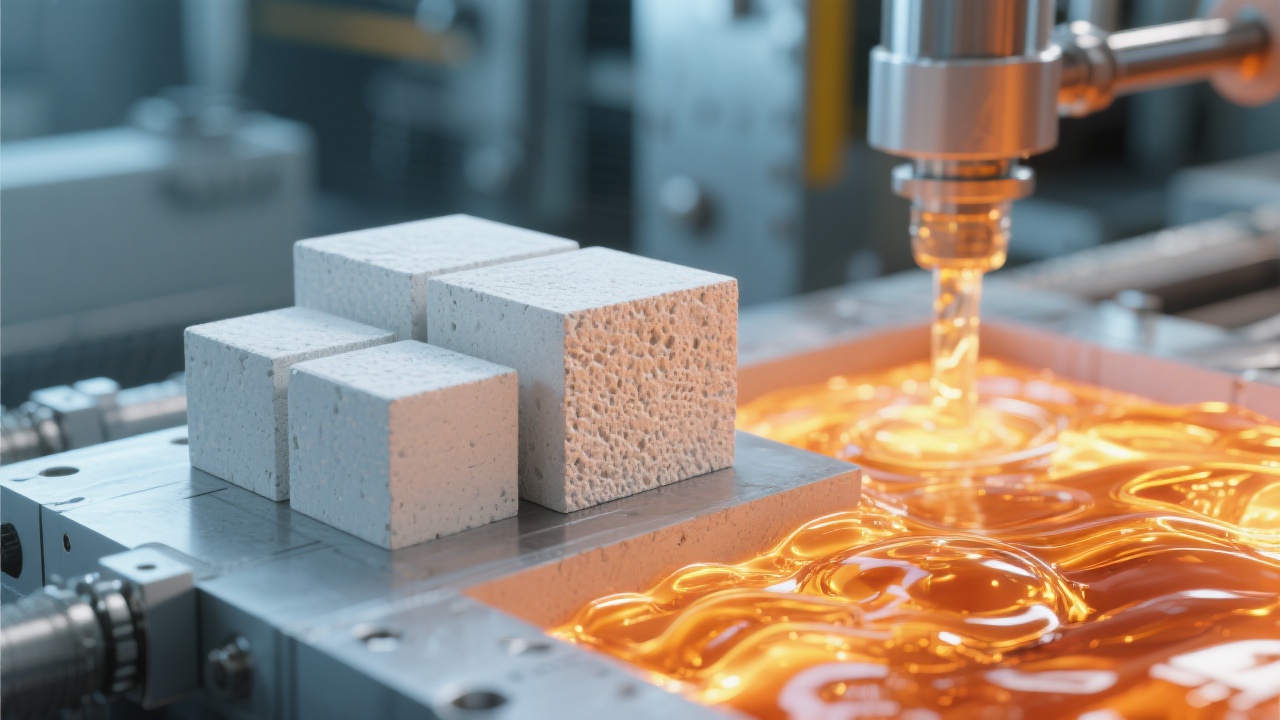
Field data from leading glass manufacturing clients reveal that the implementation of TY-A fused α-alumina blocks enables:
These operational improvements translate into tangible market advantages, including higher product clarity, consistent customer satisfaction, and reduced overall manufacturing costs.
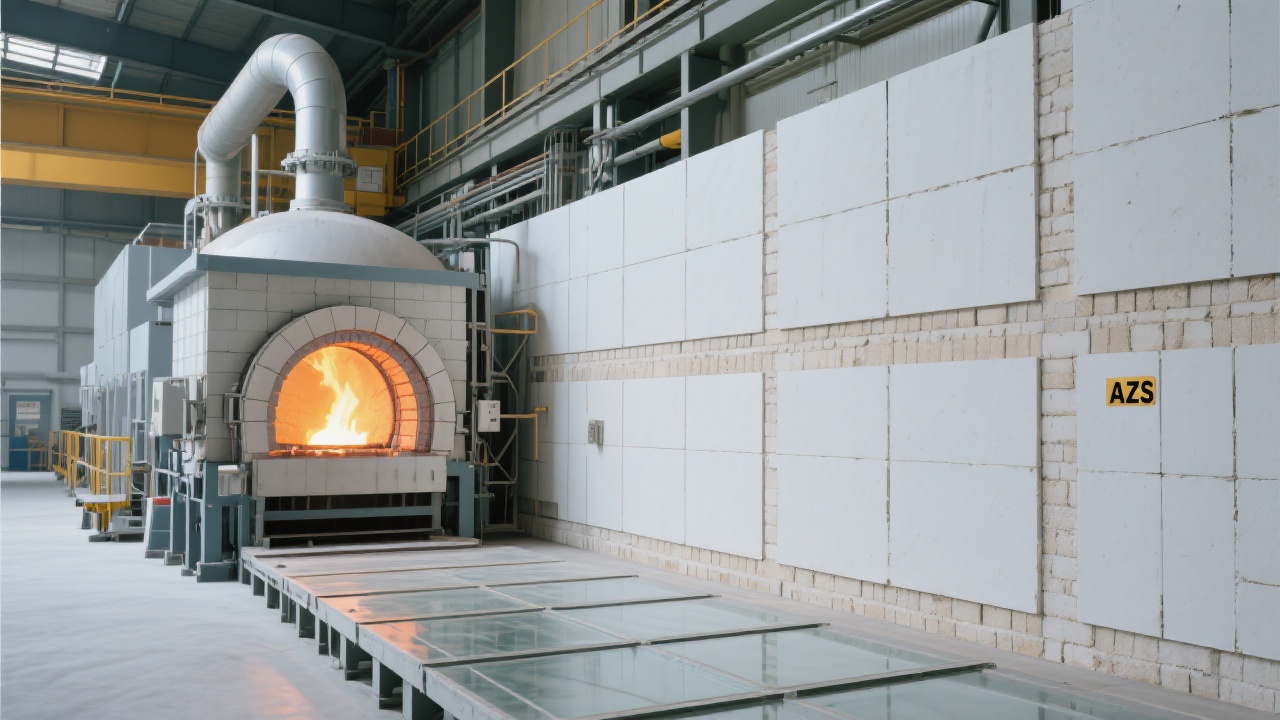
“Since switching to TY-A, our glass clarity improved noticeably, and production interruptions have decreased. This refractory proved pivotal in elevating our product standards and operational efficiency.” – Verified feedback from a European glass producer.
The intrinsic purity and structural integrity of TY-A fused α-alumina blocks position it as a critical enabler for glass manufacturers aspiring to outpace competition. As product purity becomes a defining selling point, your refractory selection can create differentiated value across the supply chain.
Investing in advanced refractory materials is more than a component upgrade; it's a strategic move to secure product excellence and operational reliability under demanding glass production conditions.
.jpg?x-oss-process=image/resize,h_600,m_lfit/format,webp)
 144
|
144
|
 High Zirconium Fused Cast Brick
TY-Z88
Refractory materials
High Zirconium Fused Cast Brick
TY-Z88
Refractory materials
 179
|
Magnesium Bricks
Industrial Applications
Extreme Conditions
High-Performance Materials
179
|
Magnesium Bricks
Industrial Applications
Extreme Conditions
High-Performance Materials
 135
|
Qingtou stone kiln
stone pots
stone trays
handcrafted pottery
traditional ceramics
135
|
Qingtou stone kiln
stone pots
stone trays
handcrafted pottery
traditional ceramics
 72
|
silicon bricks
glass industry
industrial materials
high-temperature applications
thermal stability
72
|
silicon bricks
glass industry
industrial materials
high-temperature applications
thermal stability
.jpg?x-oss-process=image/resize,h_600,m_lfit/format,webp) 377
|
Refractory materials
High temperature resistant bricks
High temperature resistant materials
Silica Brick
377
|
Refractory materials
High temperature resistant bricks
High temperature resistant materials
Silica Brick
.jpg?x-oss-process=image/resize,m_fill,h_200,w_200/format,webp)

.jpg?x-oss-process=image/resize,m_fill,h_200,w_200/format,webp)


.jpg?x-oss-process=image/resize,m_fill,h_200,w_200/format,webp)