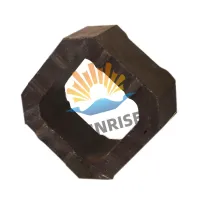
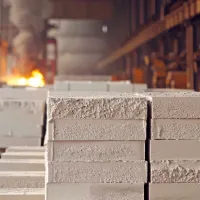
In the demanding arena of glass production, achieving superior molten glass purity is paramount. Conventional refractory materials often struggle to withstand aggressive alkaline and high-temperature environments, leading to contamination and compromised glass quality. This challenge fuels the demand for advanced materials that combine purity and durability. Enter the Fused α-Alumina Blocks TY-A, a cutting-edge solution engineered to elevate glass furnace performance through enhanced chemical and thermal resilience.
The TY-A blocks boast an alumina (Al2O3) content exceeding 98%, surpassing traditional refractories which typically range between 85-95%. This ultra-high purity coupled with a rigorous elimination of impurities directly translates to minimized ionic contamination in glass melts. The dense microstructure is critical in preventing the ingress of molten glass components that catalyze bubble formation—a key defect in glass manufacturing.
The hallmark of TY-A’s superiority resides in its electro-fusion at 2000℃, solidifying the refractory into a nearly pore-free matrix. This method yields a highly compact crystal lattice that confers exceptional resistance against corrosive alkaline fluxes encountered in glass furnaces. Unlike conventional sintering, electro-fusing ensures the formation of a robust barrier against thermal spalling and chemical attack, reducing downtime and maintenance costs.
Structurally, the combination of a dense matrix and high alumina purity limits the dissolution of refractory components into the glass melt, drastically decreasing deleterious gas formation. Empirical data revealed a 40% reduction in gas bubble incidence within molten glass when using TY-A blocks compared to standard mullite-based refractories.
A leading glass manufacturer in Europe recently transitioned a major melting tank liner to TY-A fused alumina blocks. Pre-implementation, the facility struggled with high bubble-induced rejection rates averaging 18%. Within six months post-adoption, rejection rates dropped to below 10%, enhancing yield by nearly 15%. Additionally, furnace maintenance intervals extended by 30%, underscoring improved refractory longevity.
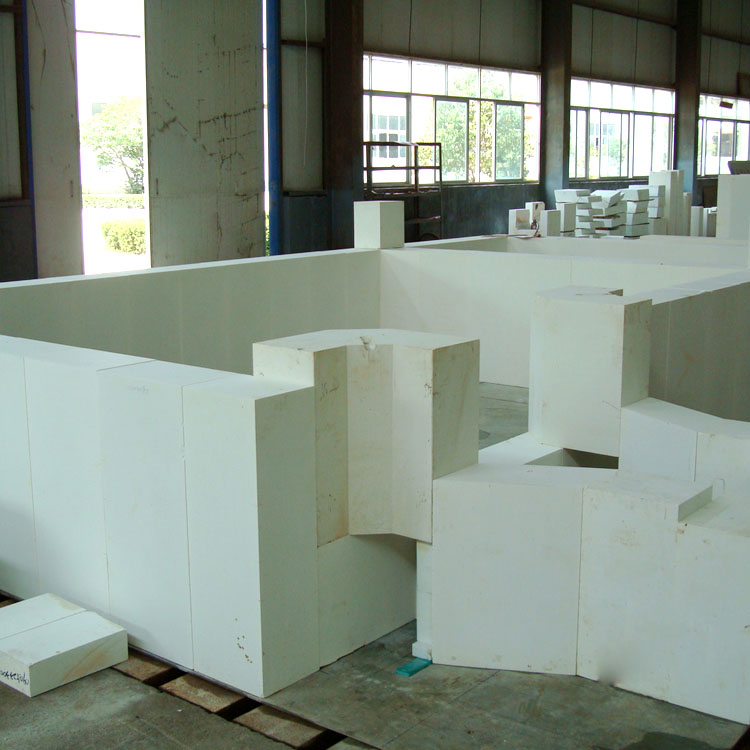
Detailed compositional analysis confirmed that the blocks maintained consistent chemical integrity even after 12 months of continuous service in an aggressive alkaline environment, validating the electro-fused manufacturing process's longevity claims.
Key performance indicators from multiple installations indicate:
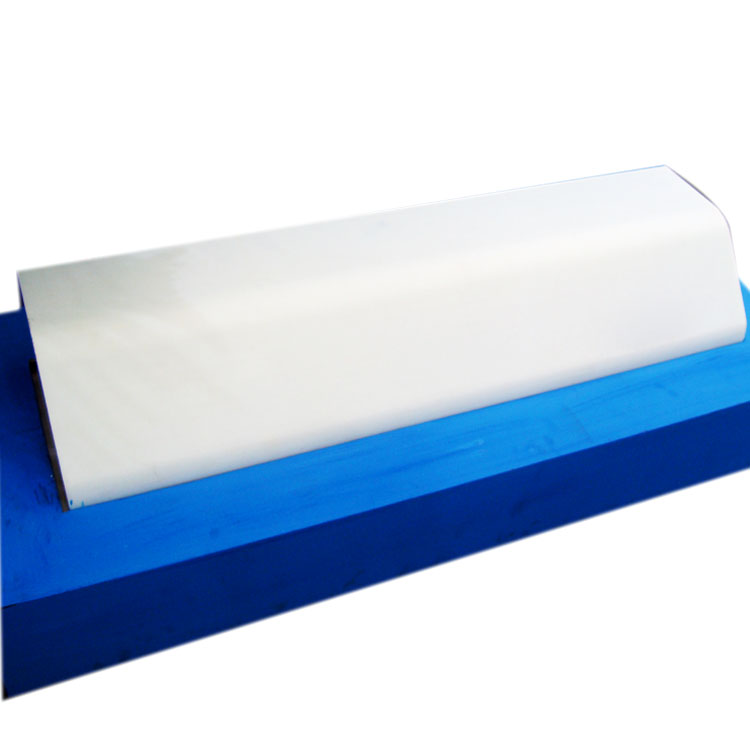
These data highlight the TY-A block’s pivotal role in advancing glass quality and operational efficiency, critical parameters for glass manufacturers targeting premium market segments.
As market demands escalate for flawless glass products with low defect rates, refractory technology upgrades become indispensable. TY-A fused α-alumina blocks position manufacturers to not only meet but exceed these expectations by significantly minimizing contamination sources and furnace maintenance burden.
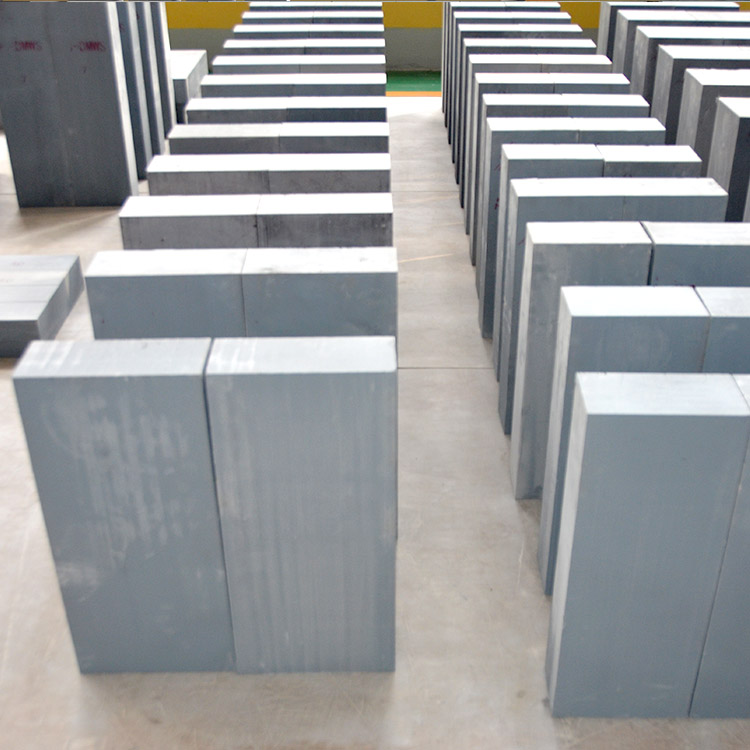
The fused α-alumina TY-A blocks represent a strategic investment in process stability and product excellence, effectively reducing costs associated with defects and furnace downtime while enhancing purity and consistency of glass output.

 344
|
344
|
 industry analysis
market demand
high-temperature materials
industry analysis
market demand
high-temperature materials
 104
|
Glass furnace silica bricks
High - temperature volume stability
Refractory materials
Reduction of furnace failures
Glass production efficiency
104
|
Glass furnace silica bricks
High - temperature volume stability
Refractory materials
Reduction of furnace failures
Glass production efficiency
 84
|
glass furnace silica bricks
high temperature silica brick performance
silica brick durability in glass kilns
corrosion-resistant refractory materials
low-density refractory bricks for glass industry
84
|
glass furnace silica bricks
high temperature silica brick performance
silica brick durability in glass kilns
corrosion-resistant refractory materials
low-density refractory bricks for glass industry
.jpg?x-oss-process=image/resize,h_600,m_lfit/format,webp) 42
|
Specialty Glass
TY-Z95
High Zirconia
Casting Materials
Innovation in Glass
42
|
Specialty Glass
TY-Z95
High Zirconia
Casting Materials
Innovation in Glass
.jpg?x-oss-process=image/resize,h_600,m_lfit/format,webp) 374
|
Refractory materials
Zirconium mullite brick
Market analysis
Application prospects
374
|
Refractory materials
Zirconium mullite brick
Market analysis
Application prospects
.jpg?x-oss-process=image/resize,m_fill,h_200,w_200/format,webp)


.jpg?x-oss-process=image/resize,m_fill,h_200,w_200/format,webp)