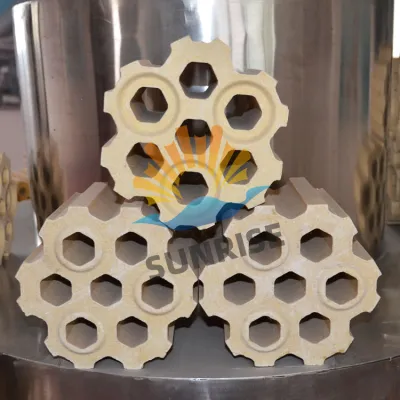
For steelmakers struggling with rising energy costs and inconsistent heat transfer in blast furnaces, the solution may lie not in complex automation—but in a simple material upgrade. Silicon brick, known for its superior thermal conductivity, is emerging as a critical component in modernizing hot-blast stoves.
Key Insight: Choosing silicon brick = lower energy consumption + improved operational stability.
Steel plants worldwide report average energy losses of 12–18% in conventional hot-blast systems—mainly due to poor heat retention in refractory materials like clay or high-alumina bricks. These materials act like insulators rather than conductors, leading to longer preheating times and uneven temperature distribution across the furnace chamber.
| Refractory Type | Thermal Conductivity (W/m·K) | Energy Savings Potential |
|---|---|---|
| Clay Brick | 1.2 – 1.6 | Baseline (0%) |
| High-Alumina Brick | 1.8 – 2.3 | ~8–10% |
| Silicon Brick | 3.5 – 4.2 | 15–22% |
That’s why industry leaders are turning to silicon brick—not just for durability, but for its ability to move heat faster and more evenly. In one case study from a mid-sized Chinese steel mill, switching to high-grade silicon brick reduced natural gas usage by 18% over six months while improving air temperature consistency by 12°C on average.
It’s not just about raw numbers—it’s how those properties translate into real-world performance. Silicon brick excels in three key areas:
These specs aren’t just lab results—they’re field-tested. A European steel producer reported zero failures after 24 months of continuous operation using our silicon brick system, compared to annual replacements needed with older materials.
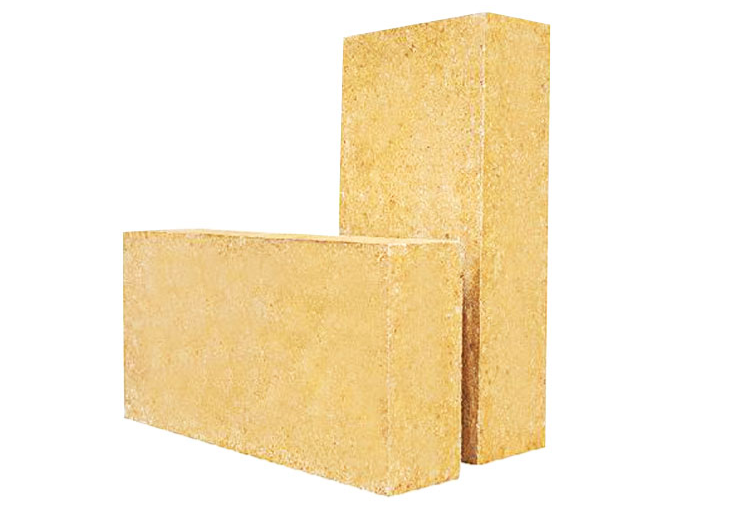
In an era where sustainability meets profitability, every kilowatt-hour saved counts. Whether you're optimizing an existing setup or building new infrastructure, choosing the right refractory isn't just a maintenance decision—it's a strategic investment in efficiency.
Let each brick do more than hold heat—make it work for your bottom line.
Download Our Free Guide: How to Upgrade Your Hot-Blast System Today