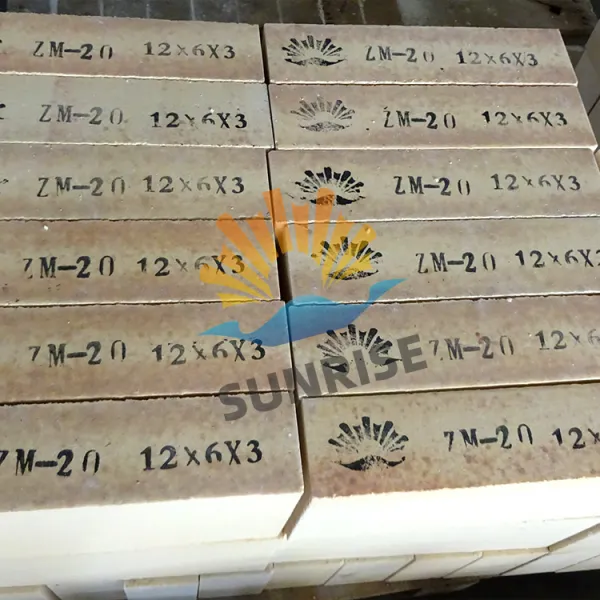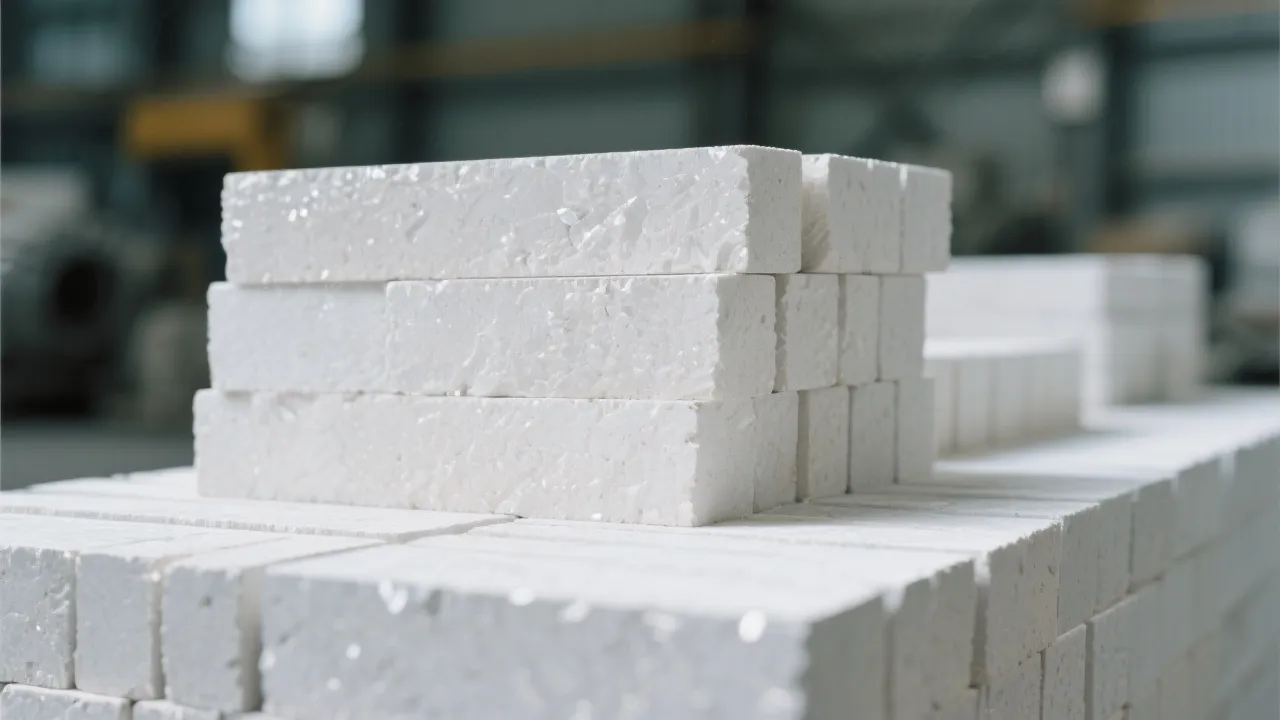
For steel producers aiming to reduce energy consumption and boost operational stability, the choice of refractory materials in blast furnace hot stoves is no longer just a technical detail—it's a strategic lever. Among these materials, high-conductivity silicon brick, especially those with a flake-like quartz microstructure, has emerged as a game-changer in thermal performance and long-term cost savings.
In modern high-efficiency blast furnaces, maintaining uniform temperature distribution across the hot stove is critical for consistent air preheating and reduced fuel use. Standard fireclay bricks often suffer from uneven heat transfer—leading to localized overheating or cold spots that degrade efficiency over time.
Our proprietary flake-shaped quartz-based silicon brick achieves a thermal conductivity improvement of up to 20% compared to conventional bricks. This means faster heat transfer during the combustion cycle and more stable operating temperatures throughout the system.
“After switching to this silicon brick, our hot stove temperature variance dropped from ±35°C to under ±10°C—a dramatic improvement in control precision.”
—— Zhang Wei, Chief Engineer at Shanxi Iron & Steel Group
| Metric | Before Upgrade | After Upgrade (with Silicon Brick) |
|---|---|---|
| Average Hot Air Temperature (°C) | 1250 | 1320 |
| Fuel Consumption per Ton of Pig Iron | 125 kg coal equivalent | 112 kg coal equivalent |
| Maintenance Frequency (per year) | 4 times | 1–2 times |
These results come from real-world installations at three major Chinese steel plants over 18 months. The average reduction in fuel consumption was 10.4%, translating into significant annual savings—especially when scaled across multiple hot stoves.
The flake structure also enhances mechanical strength at elevated temperatures, reducing spalling and cracking risks. Installation is straightforward thanks to standardized dimensions and minimal need for custom fitting—cutting down on downtime by an estimated 30% during replacement cycles.
With less frequent maintenance, operators can focus on process optimization rather than constant monitoring. For mills looking to move from reactive to proactive management, this shift alone adds substantial value.
Let every degree of heat work harder—for your production, your profits, and your planet.