In the dynamic landscape of the coke industry, the demand for enhanced performance from coke oven refractories has never been more pressing. As the industry has evolved over the years, coke ovens have faced numerous challenges, including wear and tear, high temperatures, and the need for increased production efficiency. This article delves into the world of high-density, low-porosity silica bricks, exploring their unique properties and the significant benefits they offer in coke oven applications.
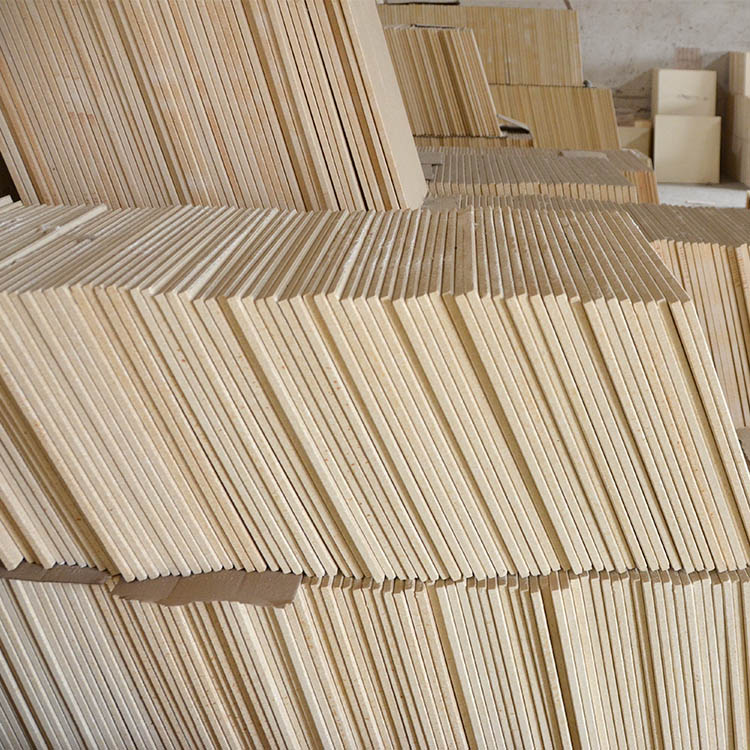
The development of high-density, low-porosity silica bricks was driven by the need to address the limitations of traditional refractory materials. These bricks are engineered with a high degree of density and low porosity, which gives them exceptional thermal conductivity and high-temperature compressive strength. With a density of up to 2.3 g/cm³ and a porosity as low as 15%, these bricks can withstand the extreme conditions inside a coke oven.
The high thermal conductivity of these bricks ensures efficient heat transfer, which is crucial for reducing the time required for the coking process. Additionally, their high-temperature compressive strength allows them to maintain their structural integrity under heavy loads and high temperatures, preventing deformation and cracking.
When compared to traditional silica bricks, high-density, low-porosity silica bricks offer several distinct advantages. Traditional silica bricks often have higher porosity, which can lead to increased gas permeability and reduced thermal efficiency. In contrast, the low porosity of these advanced bricks minimizes gas leakage, improving the overall efficiency of the coke oven.
Moreover, the high density of these bricks provides better resistance to abrasion and erosion, which are common causes of refractory failure in coke ovens. This results in a longer service life for the bricks, reducing the frequency of replacements and maintenance costs.
| Property | Traditional Silica Bricks | High-Density, Low-Porosity Silica Bricks |
|---|---|---|
| Density (g/cm³) | 2.1 - 2.2 | 2.3 |
| Porosity (%) | 20 - 25 | 15 |
| Thermal Conductivity (W/m·K) | 1.0 - 1.2 | 1.5 |
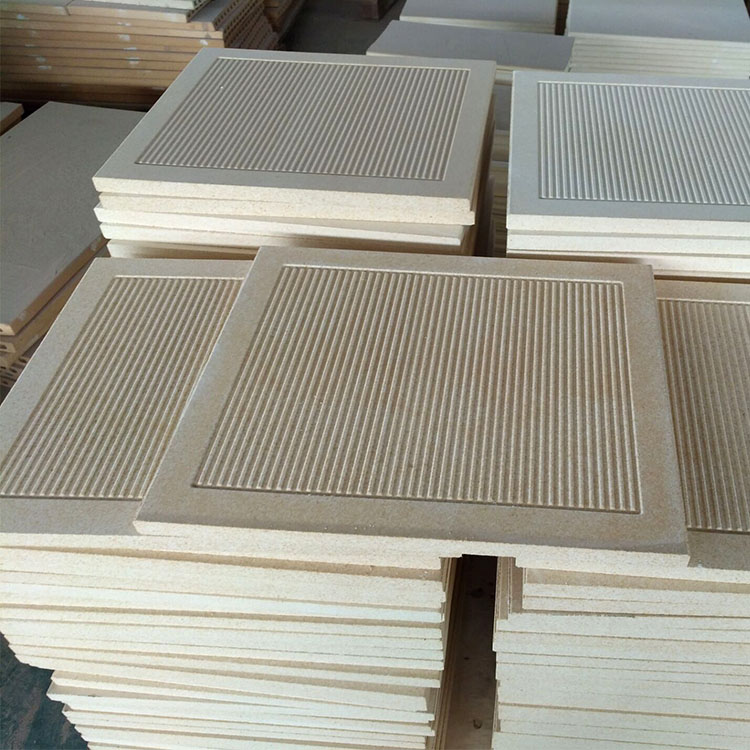
The effectiveness of high-density, low-porosity silica bricks is not just theoretical; it has been proven through real-world testing and applications. In a recent case study, a coke production plant replaced its traditional silica bricks with high-density, low-porosity silica bricks. The results were remarkable: the coke oven's service life was extended by up to 30%, and the coking time was reduced by 15%.
These improvements translated into significant cost savings for the plant. By reducing the frequency of brick replacements and maintenance, the plant was able to lower its operating costs. Additionally, the shorter coking time allowed for increased production capacity, leading to higher revenues.
"Since switching to high-density, low-porosity silica bricks, we have noticed a significant improvement in the performance of our coke ovens. The reduced coking time has increased our production efficiency, and the longer service life of the bricks has saved us a lot of money on maintenance and replacements." - A satisfied customer
When considering the adoption of high-density, low-porosity silica bricks, it is essential to conduct a comprehensive cost-benefit analysis. While the initial investment in these bricks may be higher than that of traditional silica bricks, the long-term savings in terms of reduced maintenance maintenance costs and increased production efficiency can far outweigh the upfront costs.
To make an informed decision, potential customers should evaluate the following factors: the expected service life of the bricks, the reduction in coking time, the decrease in maintenance costs, and the potential increase in production capacity. By carefully weighing these factors, customers can determine whether the investment in high-density, low-porosity silica bricks is right for their business.
If you are a coke production enterprise looking to enhance the performance of your coke ovens, high-density, low-porosity silica bricks are an excellent choice. To make the most of this investment, follow these steps:
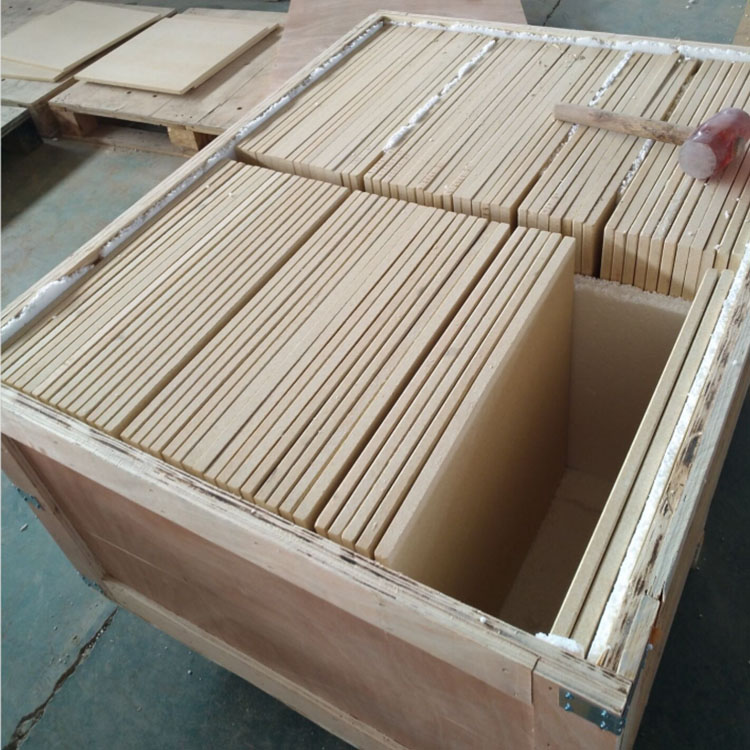
By choosing high-density, low-porosity silica bricks, you can significantly improve the quality and efficiency of your coke oven operations, leading to increased profitability and competitiveness in the market.
Upgrade Your Coke Ovens with High-Density, Low-Porosity Silica Bricks Today!