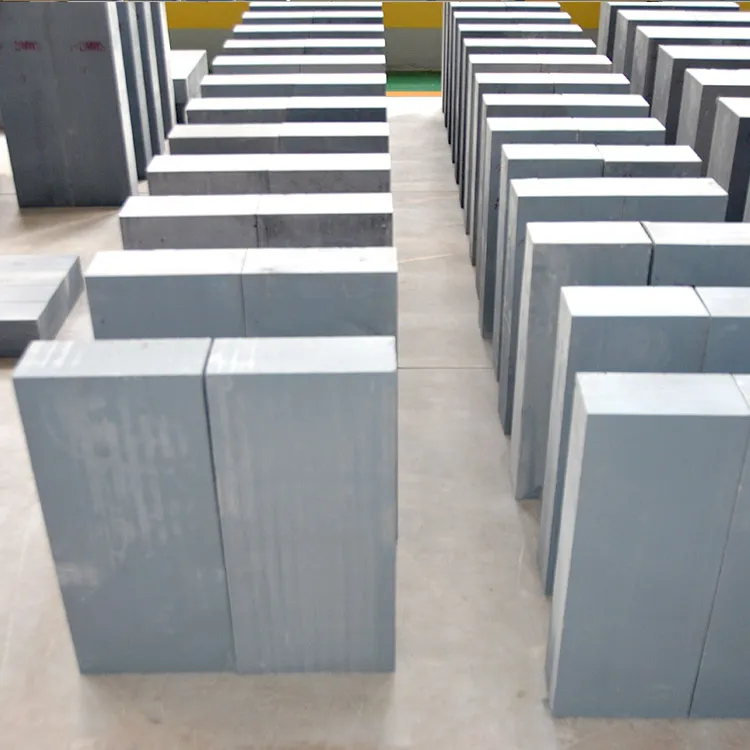
In the glass manufacturing industry, the issue of liquid contamination caused by impurities during the production process has long been a headache for manufacturers. This contamination not only affects the quality of the glass products but also reduces production efficiency and increases maintenance costs. However, the emergence of fused α-alumina blocks TY - A offers a promising solution to these problems.
During glass production, impurities in the raw materials can lead to liquid contamination in the molten glass. These impurities, such as Fe₂O₃ and TiO₂, can cause various defects in the glass, including color changes, reduced transparency, and the formation of bubbles. As a result, the quality of the final glass products is significantly affected, leading to a lower yield rate and increased production costs. For example, a small amount of Fe₂O₃ can cause the glass to turn yellow, while TiO₂ can affect the glass's optical properties.
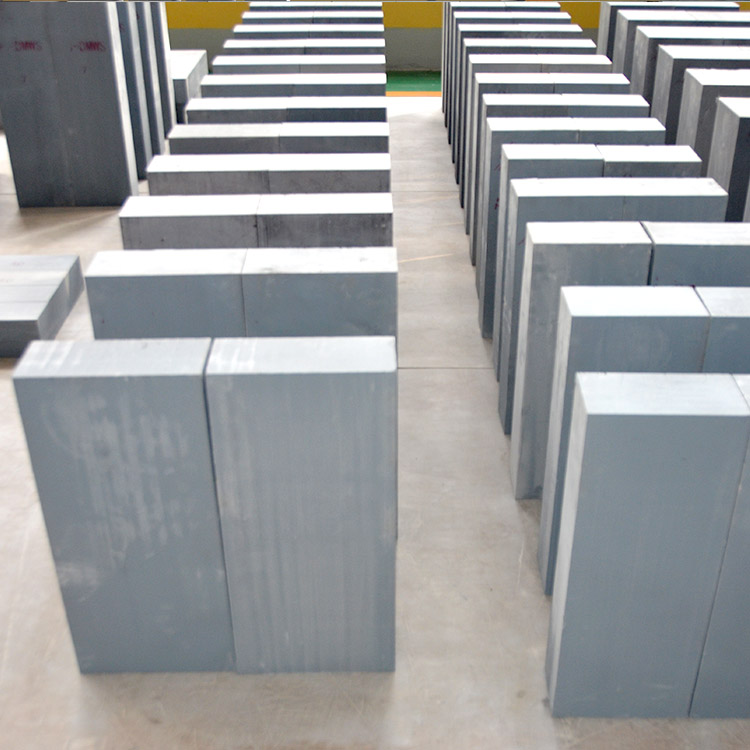
Fused α - alumina blocks TY - A are made from raw materials with an Al₂O₃ content of over 98%. This high - purity characteristic is crucial in reducing glass liquid contamination. Impurities like Fe₂O₃ and TiO₂ can react with the molten glass at high temperatures, causing pollution and affecting the glass's quality. However, with the high - purity Al₂O₃ raw materials used in TY - A, these harmful impurities are effectively excluded.
"The use of over 98% Al₂O₃ as the raw material for fused α - alumina blocks TY - A ensures that the product has excellent purity, which is the key to reducing glass liquid contamination."
The 2000℃ electric furnace melting and casting process is another significant advantage of fused α - alumina blocks TY - A. This high - temperature process forms a dense microstructure in the product. The dense structure gives the product excellent alkali resistance and high - temperature stability. At 1350℃, the product hardly contaminates the molten glass, which is a huge advantage in glass production.
The high - temperature stability means that the product can maintain its physical and chemical properties at high temperatures, effectively resisting the erosion of strong alkalis in the molten glass. The dense microstructure also prevents the penetration of impurities into the product, further reducing the risk of glass liquid contamination.
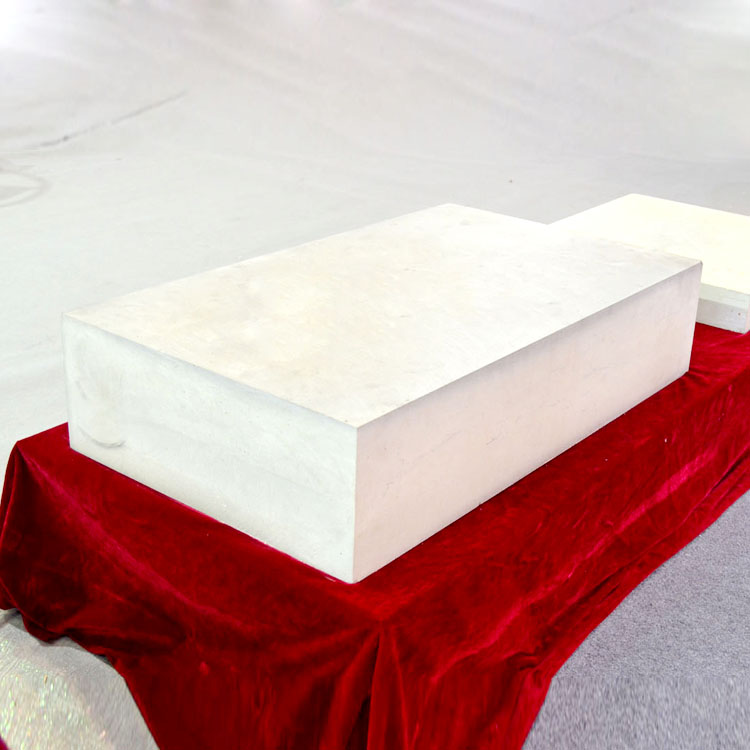
Let's take a look at a real - world example. A glass factory was facing serious problems with glass liquid contamination, resulting in a low yield rate and high maintenance costs. After using fused α - alumina blocks TY - A, the situation improved significantly. The purity of the glass increased by 20%, and the bubble formation rate decreased by 30%. The yield rate also increased from 80% to 90%, and the maintenance cost was reduced by 15%. These data clearly show the effectiveness of the product in improving the quality and efficiency of glass production.
In summary, fused α - alumina blocks TY - A play a crucial role in the glass manufacturing industry. They can effectively reduce glass liquid contamination, improve the yield rate, and lower maintenance costs. By using this product, glass enterprises can enhance the quality of their products, increase production efficiency, and gain a competitive edge in the market. If you are a glass manufacturer looking for a solution to the glass liquid contamination problem, fused α - alumina blocks TY - A are the key material you need.
.jpg?x-oss-process=image/resize,h_600,m_lfit/format,webp)
 379
|
379
|
 traditional magnesite-chrome bricks
directly bonded magnesite-chrome bricks
refractory materials market
traditional magnesite-chrome bricks
directly bonded magnesite-chrome bricks
refractory materials market
 159
|
corrosion-resistant sillimanite bricks
industrial high-temperature equipment protection
refractoriness
thermal shock stability
corrosion resistance
glass furnaces
blast furnace linings
ceramic kilns
159
|
corrosion-resistant sillimanite bricks
industrial high-temperature equipment protection
refractoriness
thermal shock stability
corrosion resistance
glass furnaces
blast furnace linings
ceramic kilns
.jpg?x-oss-process=image/resize,h_600,m_lfit/format,webp) 92
|
High density silica brick
Low porosity
Coke oven application
Technical advantages
Refractory materials
92
|
High density silica brick
Low porosity
Coke oven application
Technical advantages
Refractory materials
.jpg?x-oss-process=image/resize,h_600,m_lfit/format,webp) 492
|
Magnesia-Alumina Spinel Bricks
refractory materials
industry solutions
common issues
application challenges
492
|
Magnesia-Alumina Spinel Bricks
refractory materials
industry solutions
common issues
application challenges
 265
|
Zero expansion silica brick
High strength brick
Refractory materials
Building Materials
Industrial Applications
265
|
Zero expansion silica brick
High strength brick
Refractory materials
Building Materials
Industrial Applications


.jpg?x-oss-process=image/resize,m_fill,h_200,w_200/format,webp)
.jpg?x-oss-process=image/resize,m_fill,h_200,w_200/format,webp)