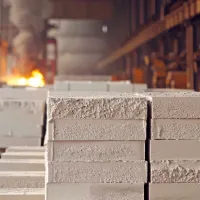
In the competitive world of glass production, even small improvements in refractory performance can lead to significant cost savings and operational gains. A leading European glass manufacturer recently made the switch to TY-M fused α-β alumina brick—and saw immediate results.
The factory reported a 30% reduction in annual maintenance costs within just six months of installation. More importantly, downtime due to refractory failure dropped by over 40%, directly boosting overall equipment effectiveness (OEE). These outcomes weren’t accidental—they were driven by TY-M’s unique composition and manufacturing process.
TY-M is composed primarily of high-purity alumina (>99%) and manufactured using a 2000°C electric furnace melting technique. This creates a dense, uniform microstructure dominated by α-β corundum phases—offering exceptional resistance to chemical attack from molten glass, especially under strong alkaline conditions common in soda-lime and borosilicate formulations.
Unlike conventional fireclay or zirconia-alumina bricks that degrade rapidly above 1300°C, TY-M maintains structural integrity up to 1350°C. Independent lab tests conducted by the European Ceramic Society confirmed a corrosion rate of only 0.12 mm/year in simulated glass bath conditions—compared to 0.45 mm/year for standard materials.
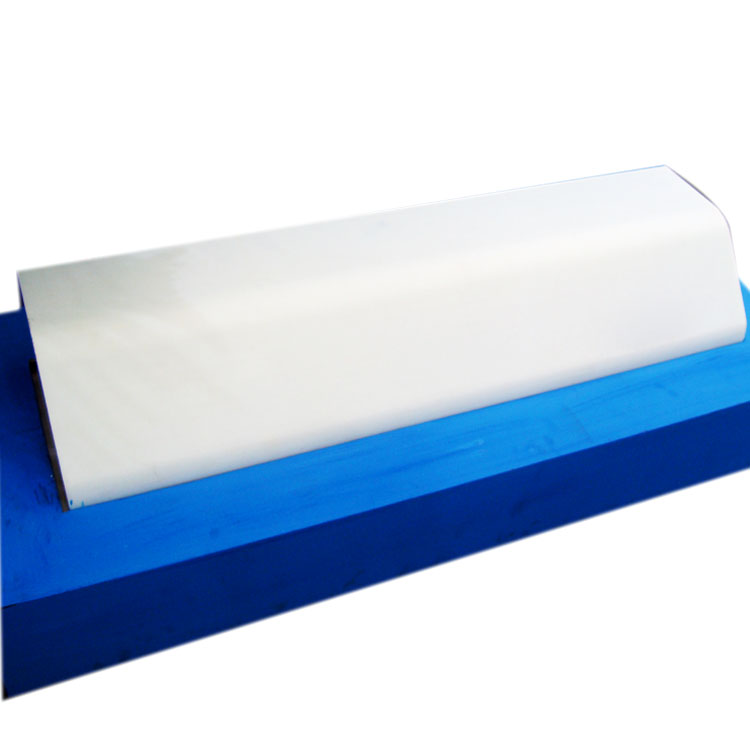
One of the most critical challenges in float glass production is minimizing bubbles and inclusions caused by refractory wear. TY-M’s low porosity (<0.5%) and minimal dissolution into the glass melt result in cleaner product quality—reducing reject rates by an average of 18% across multiple batches at the client site.
This improvement isn’t just about aesthetics—it translates directly into higher yield per batch, reduced rework, and fewer customer complaints. For a facility producing 200 tons/day of flat glass, this means an estimated additional revenue of €120,000 annually without increasing output volume.
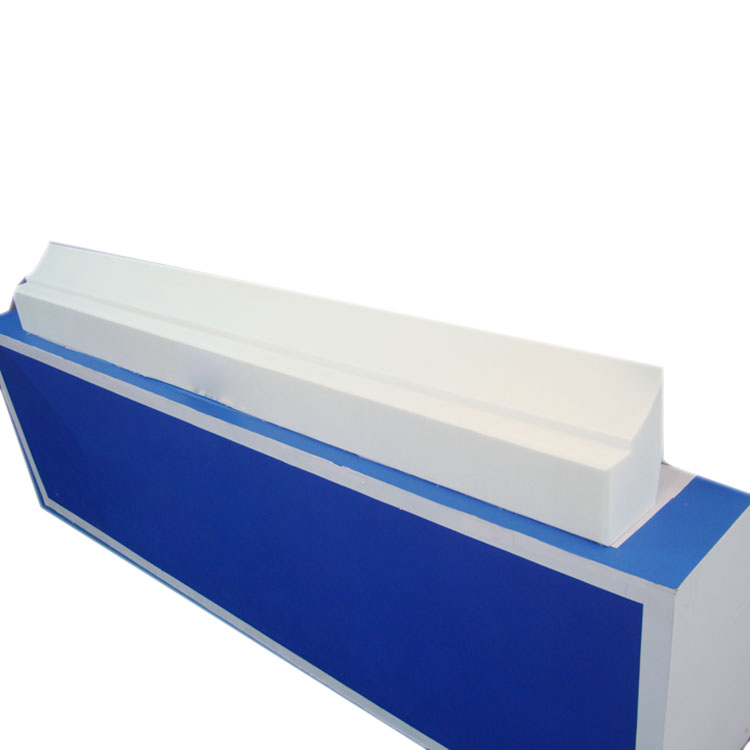
What makes TY-M particularly valuable for decision-makers in the glass industry is not just its technical superiority—but how it aligns with long-term business goals. Lower maintenance frequency reduces labor costs and improves safety. Better temperature control enhances energy efficiency. And consistent material behavior minimizes variability in final product specs.
If you’re evaluating refractory options for your next furnace upgrade or new line construction, consider what real-world data shows: TY-M delivers measurable ROI—not just in numbers, but in reliability, consistency, and peace of mind.
Don’t wait until a costly failure forces action. Learn more about how TY-M fused α-β alumina brick can transform your operation today.
Explore the full case study and request a free sample evaluation for your specific application.
Get Your Free Sample & Case Study
 251
|
251
|
 Magnesia-Chrome Bricks
Power Industry
High-Temperature Applications
Magnesia-Chrome Bricks
Power Industry
High-Temperature Applications
 137
|
AZS refractories
TY-AZS36D
electric melting AZS
refractory materials
high-performance refractories
137
|
AZS refractories
TY-AZS36D
electric melting AZS
refractory materials
high-performance refractories
.jpg?x-oss-process=image/resize,h_600,m_lfit/format,webp) 277
|
Building Materials Promotion
Market Dynamics
AZS Brick
277
|
Building Materials Promotion
Market Dynamics
AZS Brick
.jpg?x-oss-process=image/resize,h_600,m_lfit/format,webp) 197
|
zircon mullite bricks
glass industry
thermal shock stability
spalling resistance
operational costs
197
|
zircon mullite bricks
glass industry
thermal shock stability
spalling resistance
operational costs
 346
|
High - density low - porosity silica bricks
Coke oven refractory materials
Coke industry
Refractory brick performance
Coke oven efficiency improvement
346
|
High - density low - porosity silica bricks
Coke oven refractory materials
Coke industry
Refractory brick performance
Coke oven efficiency improvement

.jpg?x-oss-process=image/resize,m_fill,h_200,w_200/format,webp)

.jpg?x-oss-process=image/resize,m_fill,h_200,w_200/format,webp)