In the development of the coke industry, coke ovens have long faced challenges in refractory materials. As the demand for high - quality coke increases, the performance requirements of refractory materials for coke ovens are also rising. Risen Company has developed a high - density, low - porosity silica brick to address these challenges, which has become a significant solution for upgrading refractory materials in coke ovens.
With the growth of the coke industry, traditional refractory materials struggle to meet the requirements of high - temperature and high - pressure environments in modern coke ovens. Risen Company noticed the importance of factors such as high density, good thermal conductivity, and high temperature compressive strength in coke oven operation. Based on this, they initiated the research and development of high - density, low - porosity silica bricks. The goal was to create a refractory material that can better adapt to the harsh conditions of coke ovens and improve overall production efficiency.
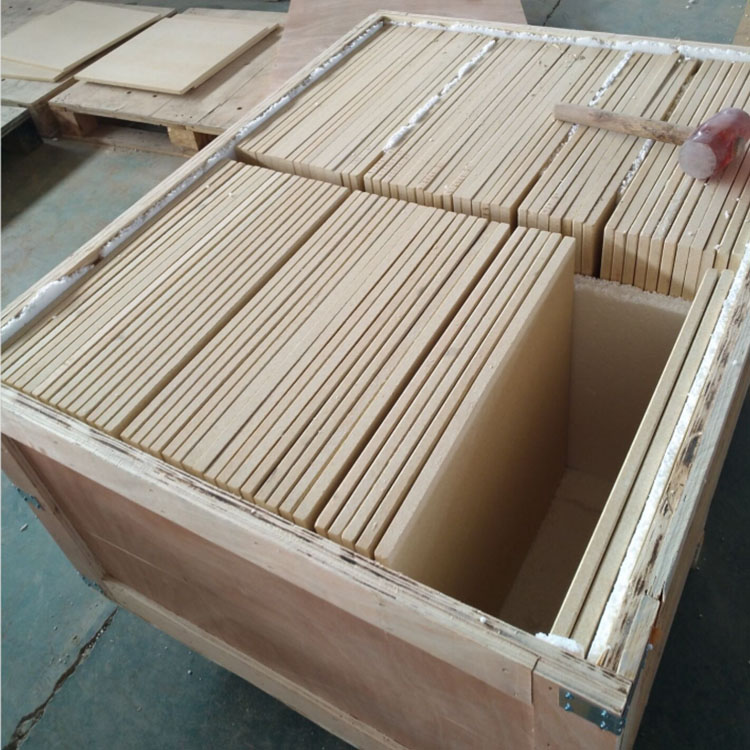
The porosity of traditional silica bricks is usually around 20% - 25%. In contrast, Risen's high - density, low - porosity silica bricks have a porosity controlled below 15%. This low porosity significantly reduces the penetration of corrosive gases and molten substances, thereby protecting the structural integrity of the coke oven.
The density of these silica bricks reaches 2.35 - 2.40 g/cm³, while traditional silica bricks are only about 2.2 - 2.3 g/cm³. The higher density enhances the mechanical strength of the bricks and improves their resistance to abrasion and erosion.
These silica bricks have a thermal conductivity of 1.8 - 2.2 W/(m·K) at high temperatures, which is 10% - 20% higher than traditional silica bricks. Good thermal conductivity helps to evenly distribute heat in the coke oven, reducing local overheating and improving coking quality.
Under high - temperature conditions of 1450°C, the compressive strength of these silica bricks can reach 50 - 60 MPa, far exceeding the 30 - 40 MPa of traditional silica bricks. This enables the coke oven to maintain stable operation under high - pressure loads.
Through a large number of actual tests and case studies, the advantages of high - density, low - porosity silica bricks are fully demonstrated.
| Indicator | Traditional Silica Bricks | High - Density, Low - Porosity Silica Bricks |
|---|---|---|
| Coke Oven Service Life | 8 - 10 years | 12 - 15 years |
| Coking Cycle | 18 - 20 hours | 15 - 17 hours |
| Coke Quality (Coke Strength M40) | 75% - 80% | 82% - 85% |
For example, a large - scale coking enterprise in Europe replaced traditional silica bricks with Risen's high - density, low - porosity silica bricks. After one year of operation, the coking cycle was shortened by 15%, and the coke strength increased by 3%. The service life of the coke oven is expected to be extended by at least 3 years.
From the customer's perspective, although the initial purchase cost of high - density, low - porosity silica bricks is 10% - 15% higher than that of traditional silica bricks, considering the long - term benefits, such as extended service life, improved coking efficiency, and reduced maintenance costs, the overall cost - effectiveness is very high. Many customers have given positive feedback, indicating that the use of these silica bricks has brought significant economic benefits to their enterprises.
When choosing high - density, low - porosity silica bricks, enterprises should first evaluate their own coke oven operating conditions, including temperature, pressure, and corrosive environment. Then, they should compare the technical parameters and performance of different products. It is also important to consider the reputation and after - sales service of the supplier. Risen Company provides a comprehensive selection process and professional technical support to help customers make the best choice.
Upgrade your coke oven's refractory materials now with Risen's high - density, low - porosity silica bricks! Click here to learn more.