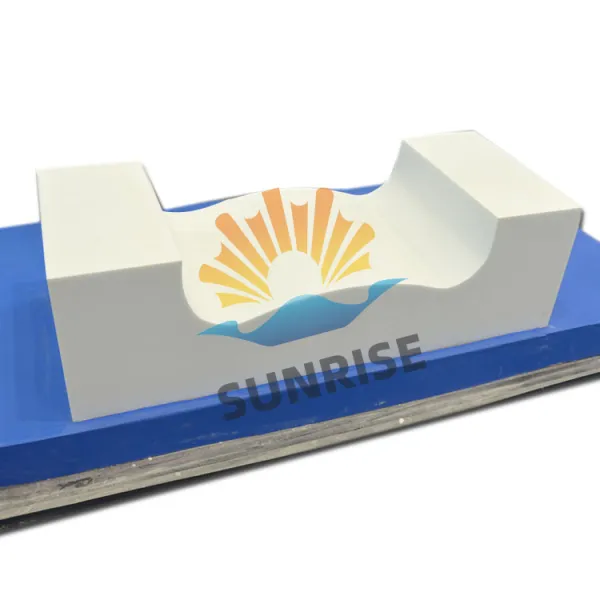
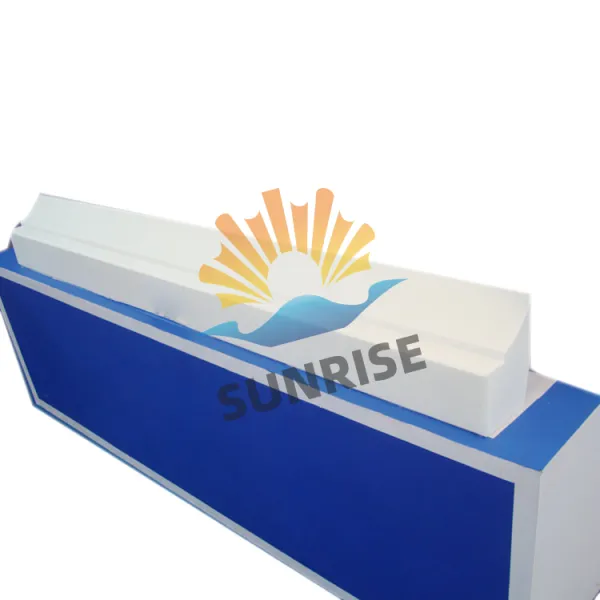
For global steel producers, optimizing blast furnace efficiency isn't just about cutting costs—it's about ensuring consistent product quality and meeting rising market demands. One often-overlooked but critical component? The thermal conductive silicon brick used in hot blast stoves.
Unlike traditional refractory materials, modern silicon bricks with a dominant flake-like quartz phase offer superior thermal conductivity and stability under extreme temperatures (up to 1450°C). This means better heat transfer across the furnace chamber—leading directly to improved temperature uniformity and reduced energy waste.
| Performance Metric | Standard Refractories | Thermal Conductive Silicon Brick |
|---|---|---|
| Thermal Conductivity (W/m·K) | 1.2 – 1.8 | 2.7 – 3.3 |
| Temperature Uniformity Deviation | ±35°C | ±12°C |
| Energy Consumption Reduction | N/A | 12–18% avg. savings |
Real-world case studies from mills in Southeast Asia and Eastern Europe show that switching to high-conductivity silicon bricks resulted in:
Many procurement teams hesitate due to perceived complexity—but these bricks are engineered for ease of use. With modular design and pre-tested joint compatibility, installation time drops by 30–40% compared to older ceramic options. Plus, their low thermal expansion coefficient minimizes cracking during repeated heating cycles, reducing downtime and labor costs significantly.
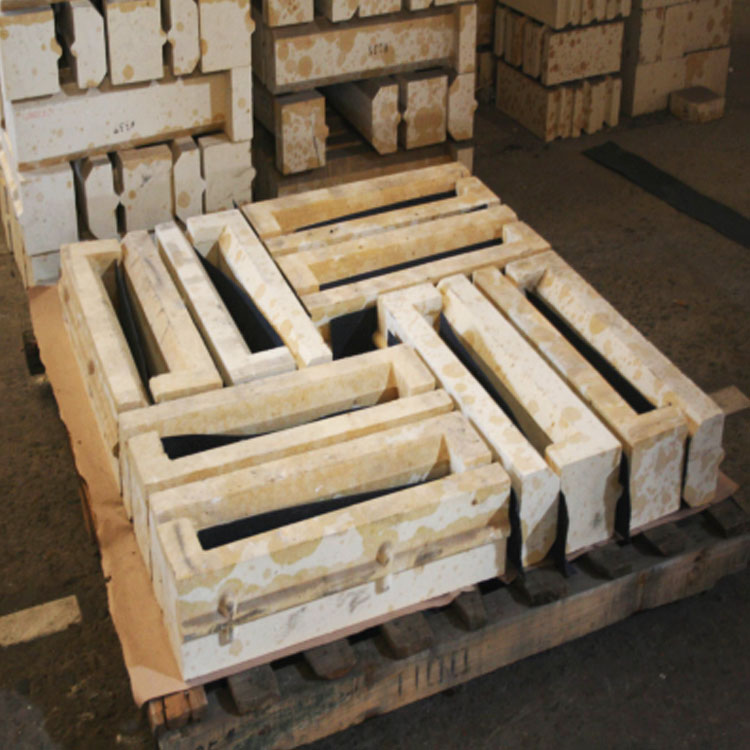
When it comes to long-term ROI, few investments deliver such clear returns as upgrading your hot blast system with precision-engineered silicon bricks. It’s not just about performance—it’s about building resilience into your production chain.
If you're evaluating suppliers or planning a furnace overhaul, now is the time to act. Don’t let outdated materials hold back your plant’s potential.
Ready to optimize your blast furnace efficiency? Get a free technical consultation and sample kit tailored to your facility’s needs — no obligation, just actionable insights.
Request Your Free Sample Kit Now