In high-temperature glass production, corrosion resistance isn't just a technical feature—it's the backbone of consistent output and cost control. For manufacturers facing frequent refractory replacements and unexpected downtime, the solution may already be in your furnace.
Most conventional bricks degrade rapidly under prolonged exposure to molten glass, especially when alkali content exceeds 15%. This leads to increased maintenance cycles—often every 6–8 weeks—and significant unplanned shutdowns. In one case study from a European flat glass producer, unscheduled stops averaged 12 hours per month, costing over $45,000 in lost productivity annually.
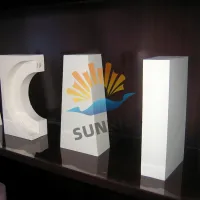
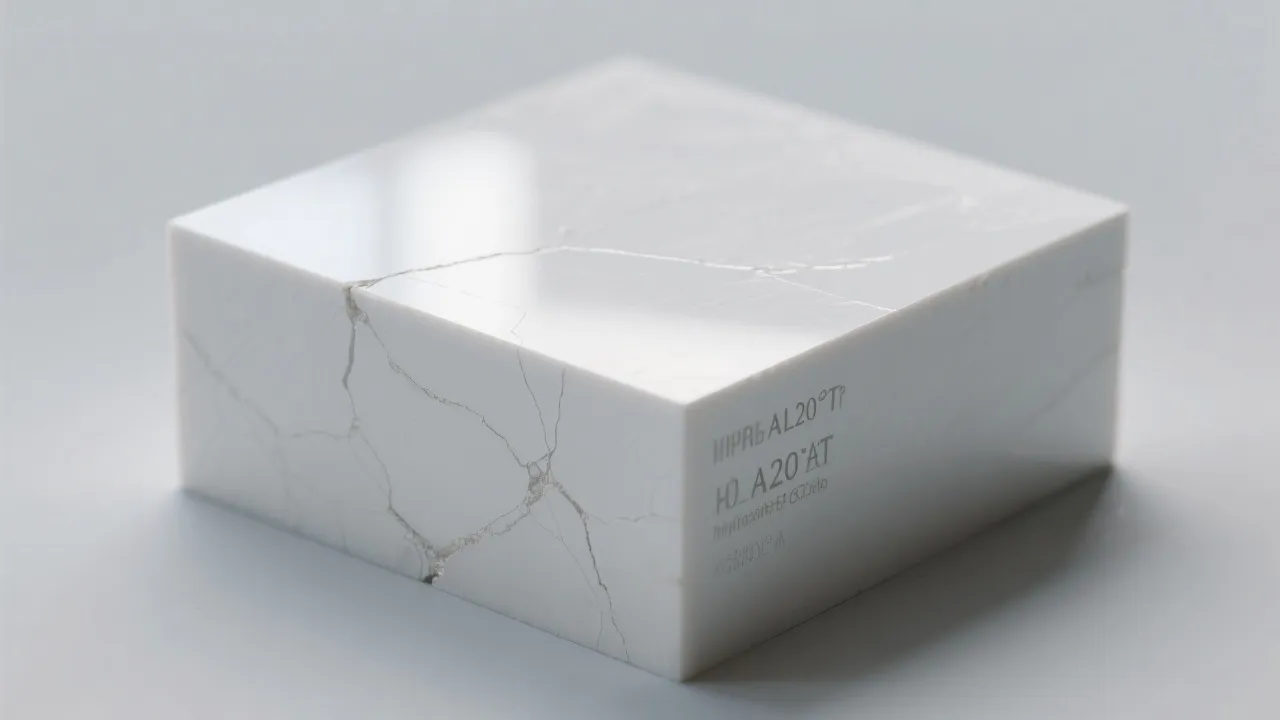
TY-M is engineered for extreme conditions: made from 99.5% pure alumina and melted at 2000°C to form a dense α-β corundum microstructure. The result? A brick that resists strong alkali attack up to 1350°C—with minimal erosion even after 24 months of continuous operation.
Real-world performance shows a 60% reduction in replacement frequency compared to standard fused cast alumina bricks. One Middle Eastern float glass plant reported going from 7 changes per year to just 3, cutting labor and material costs by an estimated $28,000 annually.
Key Benefit: Reduced refractory wear = fewer stoppages = higher yield.
Impurities from degraded bricks can cause bubbles, streaks, or discoloration in finished glass products—especially critical in automotive or display-grade manufacturing. With TY-M’s ultra-pure composition (Fe₂O₃ < 0.1%), these defects drop significantly. A North American container glass facility saw a 40% decrease in rework rates within three months of switching to TY-M.
This isn’t just about extending brick life—it’s about optimizing the entire production chain. Lower maintenance effort, fewer quality issues, and more predictable scheduling translate directly into better margins and stronger customer satisfaction.
Let us help you transition to TY-M Cast α-β Alumina Brick—engineered for real-world results, not just lab specs.
Get Your Free Technical Brochure & Case Studies
 367
|
367
|
 high thermal conductivity silica bricks
traditional refractory materials
performance comparison
high thermal conductivity silica bricks
traditional refractory materials
performance comparison
 362
|
Cast Alumina Blocks
Corrosion resistance
High temperature stability
Glass Manufacturing
Market potential
362
|
Cast Alumina Blocks
Corrosion resistance
High temperature stability
Glass Manufacturing
Market potential
 445
|
Alundum bricks
high-temperature materials
refractory solutions
ceramic technology
445
|
Alundum bricks
high-temperature materials
refractory solutions
ceramic technology
 261
|
Magnesium-Chromium Bricks
Smelting Environment
Industry Challenges
261
|
Magnesium-Chromium Bricks
Smelting Environment
Industry Challenges
 294
|
Magnesia-Chrome Bricks
refractory materials
high-temperature applications
thermal stability
ceramic industry
294
|
Magnesia-Chrome Bricks
refractory materials
high-temperature applications
thermal stability
ceramic industry


.jpg?x-oss-process=image/resize,m_fill,h_200,w_200/format,webp)
.jpg?x-oss-process=image/resize,m_fill,h_200,w_200/format,webp)
.jpg?x-oss-process=image/resize,m_fill,h_200,w_200/format,webp)