Glass manufacturers constantly battle the challenges of corrosion and solidification inside their melting furnaces—issues that compromise operational efficiency and product quality. Traditional refractory materials often succumb prematurely to aggressive glass melts, causing costly downtime and maintenance. This article explores how the advanced AZS33 fused AZS block, engineered from a unique blend of pure alumina powder and zircon sand containing 65% zirconia and 34% SiO2, delivers superior durability by forming a dense microstructure that resists corrosion, thus redefining performance benchmarks in glass melting operations.
Glass producers typically face rapid wear of furnace components such as the roof channels, sidewalls, and feeding ports. These components often degrade due to prolonged exposure to molten glass at temperatures exceeding 1400°C, leading to:
Overcoming these issues demands refractory materials with outstanding corrosion resistance, mechanical strength, and thermal stability.
The AZS33 fused block’s efficacy lies in its scientifically formulated composition: high-purity alumina (Al2O3) powder combined with zircon sand consisting of approximately 65% zirconia (ZrO2) and 34% silicon dioxide (SiO2). This mix results in a material that exhibits:
Collectively, these properties furnish AZS33 with unmatched durability and corrosion resistance compared to standard fused AZS blocks.
AZS33 is optimized for multiple glass furnace sections where refractory damage risk is highest:
Its versatility ensures comprehensive protection for critical refractory components, reducing furnace failures significantly.
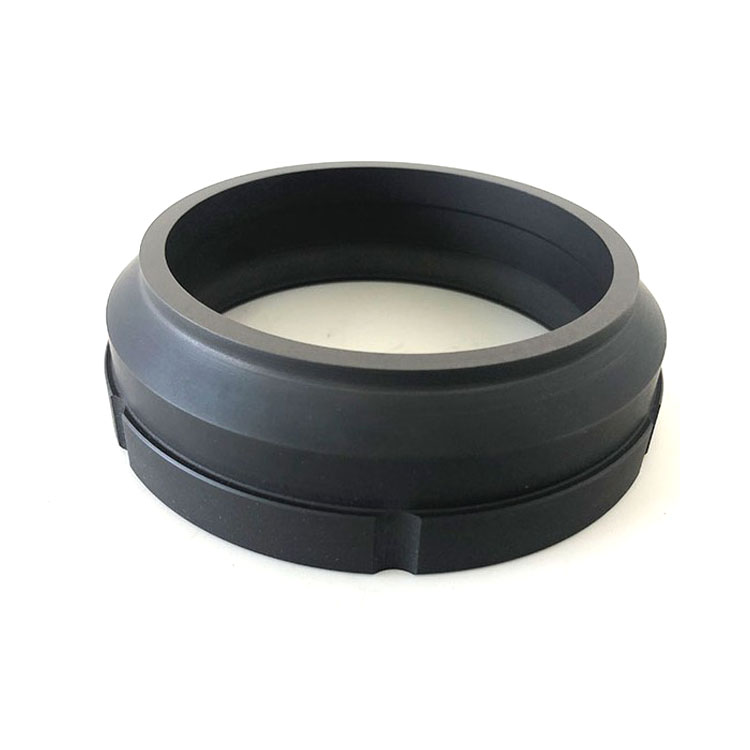
A leading glass factory integrated AZS33 fused blocks in their furnace roof and sidewalls, motivated by recurring repair costs and premature refractory failures. Within 12 months of use:
The plant’s technical manager emphasized that the scientifically driven composition and dense microstructure of AZS33 were decisive factors in selecting the material, validating the performance claims with onsite observations.
.jpg)
Independent lab tests outline AZS33’s corrosion rate at less than 0.15 mm/year under simulated glass melt conditions, significantly outperforming industry averages near 0.5 mm/year for conventional fused AZS materials. Furthermore, thermal shock resistance tests demonstrate AZS33 retains structural integrity after over 30 heating-cooling cycles between ambient and 1500°C, ensuring durability under harsh operational regimes.
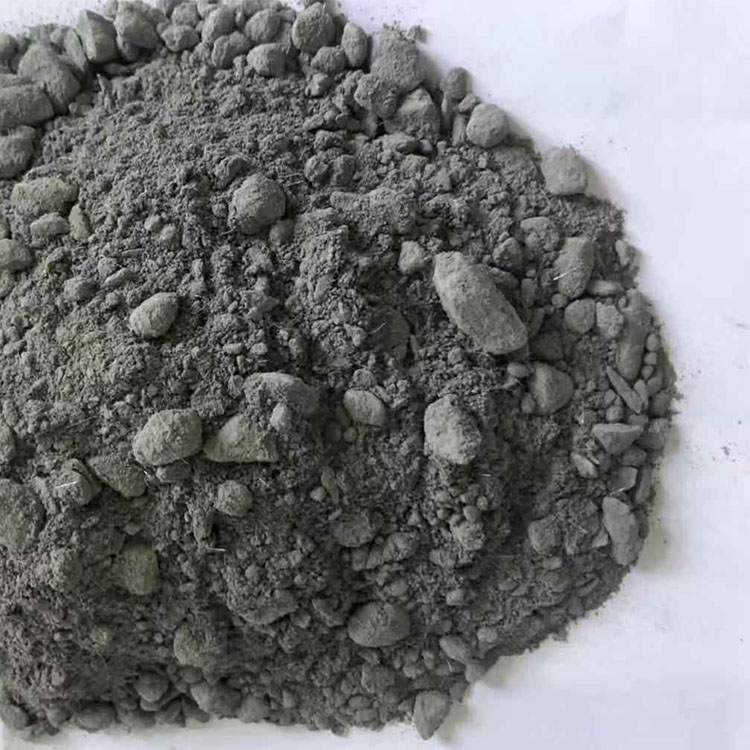
These data points provide transparent, measurable evidence for plant engineers and managers looking to optimize furnace longevity and product quality.